How to Get Rid of Mosquitoes Fast: Backyard Tactics That Work
I have tried almost every mosquito control trick you can imagine over the years. Foggers, citronella candles, those ultrasonic devices that claim to repel them—nothing truly worked until I stopped chasing adult mosquitoes and started destroying their breeding cycle. If you want to know how to get rid of mosquitoes without hiring a weekly spray service, you need to think like a mosquito. They need standing water and a blood meal. Cut off the water, and you cut off the population. That is the core of everything below.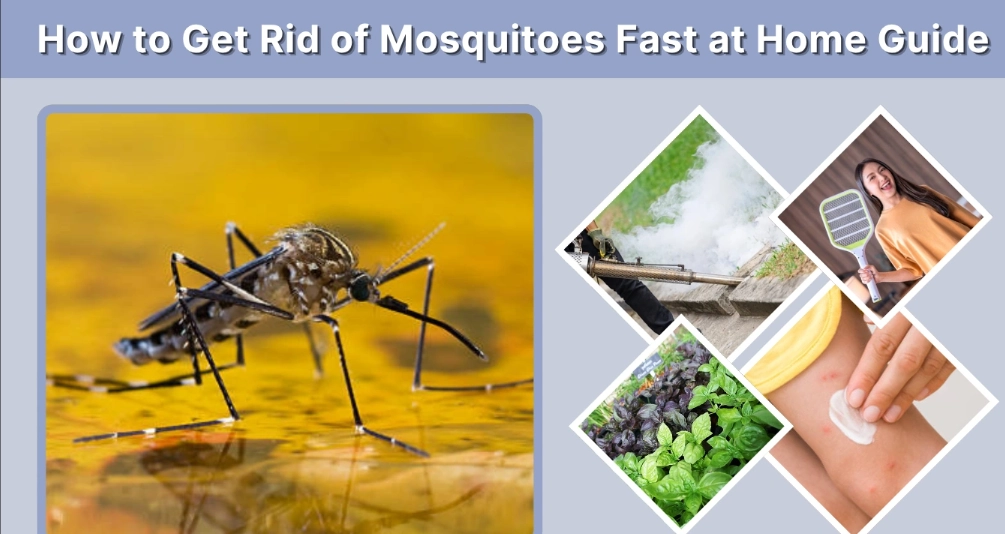
What I cover in this quick read
Why Mosquitoes Keep Coming Back
Most people spray and kill the adults they see. Two days later, a new batch hatches from a bottle cap full of water behind the shed. That is the mistake I made for years. Female mosquitoes lay eggs in as little as a teaspoon of standing water, and those eggs can survive dry spells for months. I once found larvae thriving in the saucer under a potted basil plant. The saucer held maybe half an inch of water. That was a lightbulb moment.
The other issue is location. Mosquitoes do not travel far from where they hatch—usually 100 to 200 yards. So if your neighbor has a clogged gutter or an old tire swing collecting rain, you are still fair game. But you can control your own yard first. That alone drops the bite count significantly.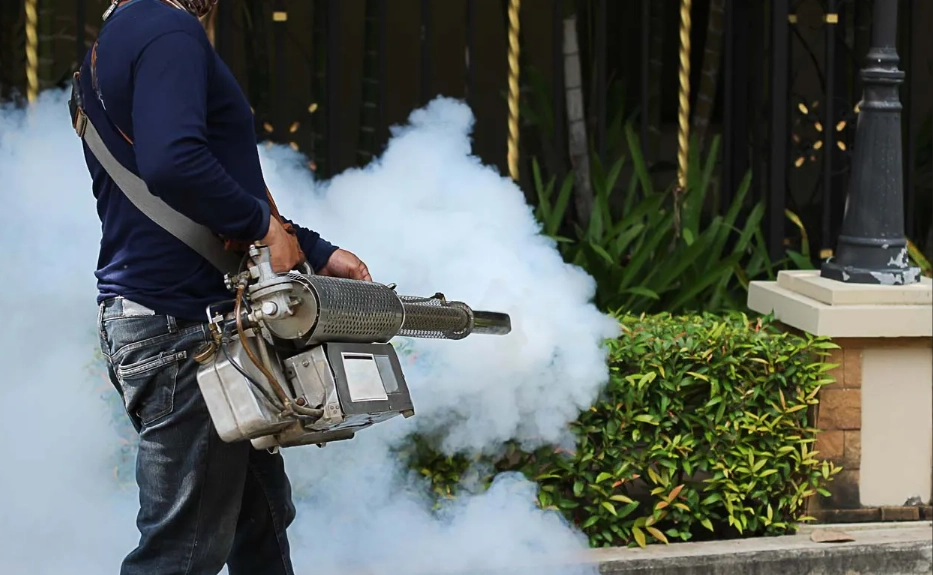
How to Get Rid of Mosquitoes: Step-by-Step
Here is the exact routine I follow every week from late spring through early fall. It takes 15 minutes.
Step 1: Drain everything. Walk your yard and dump any standing water. Check flower pot saucers, bird baths (change water every 3 days), pet bowls, wheelbarrows, tarps, and clogged gutters. I keep a small bucket of sand handy to fill tree holes and low spots in the lawn.
Step 2: Treat water you cannot drain. For rain barrels or decorative ponds, use Bti dunks (Bacillus thuringiensis israelensis). These are safe for fish and pets, and they kill mosquito larvae specifically. I drop one dunk per 10 square feet of water surface every three weeks. You can find them at most garden centers.
Step 3: Scrub the sides of containers. Mosquito eggs stick to container walls like glue. Even after you empty the water, eggs survive. I use a stiff brush on bird baths and pet bowls once a week. This is the step most people skip, and it matters.
Step 4: Fix leaks and poor drainage. Air conditioner drip lines and leaky outdoor faucets create constant moisture. I put a shallow gravel trench under my AC line to keep water moving.
Step 5: Trim and thin vegetation. Adult mosquitoes rest in tall grass and shaded shrubs during the day. I keep my lawn mowed and thin out dense ground cover near my seating area. It reduces the “ambush zones” where they hide.
My non-negotiable tip: Treat your yard like a crime scene for standing water. Look up (gutters), look down (drains), and look behind (under decks and stairs). The weirdest spot I found larvae? The hollow handle of a garden shovel left outside.
Best Natural Mosquito Repellent That Actually Works
I am skeptical of Pinterest-style remedies. But a few natural options have held up in my own tests and in published research. Oil of lemon eucalyptus (OLE) is the one plant-based repellent that the CDC recognizes as effective, comparable to low-concentration DEET. I use a spray with 30% OLE on my ankles and wrists before evening gardening. It gives me about two hours of solid protection.
Here is a quick comparison of what I have tried and my honest take:
| Repellent Type | My Experience | Best Use Case |
|---|---|---|
| Oil of lemon eucalyptus (30%) | Works well for short evenings, smells strong but tolerable | Patio sitting, light yard work |
| Citronella candles | Minimal effect unless you sit directly in the smoke | Small deck with no breeze |
| Picaridin 20% | Odorless, lasts longer than OLE, no greasy feel | Hiking or heavy yard work |
| Mosquito coils | Effective outdoors but smell lingers on clothes | Camping or garage work |
| Ultrasonic devices | Complete waste of money in my testing | None |
For plants, I grow citronella geraniums and lemon balm near my door. They smell nice. But do not expect them to clear a yard. Crushing a few leaves and rubbing them on skin gives maybe 15 minutes of relief. It is better than nothing when I forget my spray.
Mosquito Control Backyard Checklist
This is the list I print and stick on my garage wall. I go through it every Saturday morning.
- Drain: Empty saucers, tarps, buckets, and toys. Flush bird baths twice weekly.
- Scrub: Brush container walls to dislodge eggs.
- Treat: Add Bti dunks to rain barrels and ponds.
- Trim: Cut tall grass and thin shrubs near seating areas.
- Repair: Fix leaky hoses and poor drainage spots.
- Protect: Keep OLE or picaridin spray near the back door.
If you have a severe infestation and these steps do not cut it after two weeks, call your local vector control office. Many municipalities offer free inspections or larvicide treatments for residential areas. I used this service once when a neighbor’s abandoned pool became a mosquito factory. It was free and solved the problem fast.
FAQ: Quick Answers from Experience
What is the single most effective thing to get rid of mosquitoes in a small backyard?
Eliminate standing water completely. Even a dripping hose connection can breed mosquitoes. I walk my yard with a flashlight after rain to spot hidden puddles. It beats any spray or gadget.
Do mosquito traps actually reduce bites, or are they a gimmick?
Most consumer traps catch more non-target insects than mosquitoes. CO2 traps can work if placed far from where people sit, but they are pricey and high-maintenance. I stopped using mine after a season. Fixing breeding sites is cheaper and more reliable.
How often should I change the water in my bird bath to stop mosquitoes?
Every three days, and scrub the bowl each time. Mosquito larvae need about 7-10 days to become adults, but eggs can hatch in as little as 48 hours in warm weather. Three days is the safe window. I mark it on my calendar so I do not forget.
Are bug zappers worth buying for a patio?
No. I tested one for a month. It killed hundreds of moths and beetles, and exactly two mosquitoes. Zappers attract insects with light, but mosquitoes are more drawn to carbon dioxide and body heat. Save your money and buy a fan instead. A simple box fan on high creates a wind barrier that keeps mosquitoes from landing.
After years of trial and error, I can say this: the answer to how to get rid of mosquitoes is not a secret spray. It is a weekly habit of denying them water and shelter. Stick with it for two weeks, and you will notice a real difference in your evening comfort. I sure did.
Related
How to Get Rid of Bed Bugs Fast: A Pro's Step-by-Step Guide
Waking up with mysterious bites and itchy welts? Learn exactly how to get rid of bed bugs using proven heat and chemical methods, plus the one mistake most people make that lets them come back.
How to Get Rid of Mosquitoes Fast: Backyard Tactics That Work
Tired of mosquito bites ruining your evenings? Learn how to get rid of mosquitoes with proven backyard tactics, from eliminating breeding spots to DIY traps and plants that actually work.
How to Get Rid of Spiders Fast: 7 Proven Steps That Work
Wondering how to get rid of spiders without turning your home into a chemical zone? Here's a practical, field-tested plan covering entry points, natural repellents, traps, and when to call a pro.
Comments