How to Get Rid of Bed Bugs Fast: A Pro's Step-by-Step Guide
I've walked into over sixty infested apartments. Same scene every time: the mattress flipped, the flashlight out, and that sinking feeling. The first thing I tell people is simple — you can win this, but not with the stuff you bought at the grocery store. If you're wondering how to get rid of bed bugs without losing your mind, this guide is the honest version I wish someone had handed me a decade ago.
My quick jump menu
First, confirm it's actually bed bugs
I've seen people bomb their whole house for carpet beetles. Don't be that person. Bed bugs leave tiny rusty spots on sheets — not big red smears. Look along the mattress seams and the piping. Pull back the dust ruffle and check the corners of the box spring. If you own a magnifying glass, use it.
One detail most guides skip: bed bugs leave empty husks that look like popcorn kernels. I found a cluster behind a headboard once that looked exactly like spilled sesame seeds. That's the sign — not just the bites.
Bites themselves are tricky. Some people show nothing for weeks. A client of mine had 40 bites on her arm and zero reaction on her husband. So don't use bites alone as proof.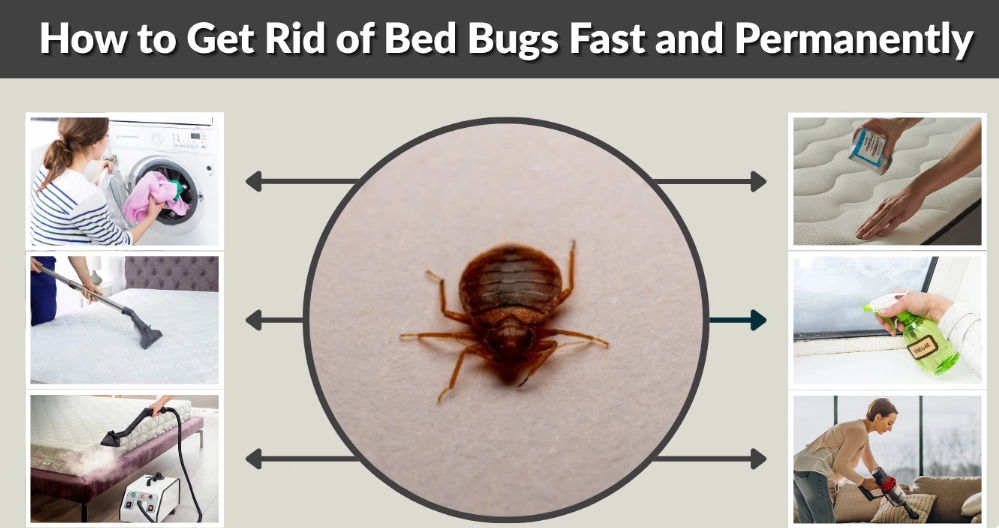
Why most DIY treatments fail
Foggers. Put those back on the shelf. I've watched them spread bed bugs into wall voids and make the problem five times worse. The mist can't reach where eggs sit — inside fabric folds, under baseboards, behind outlet plates.
Another rookie error — treating only the bed. I've inspected homes where the bed was spotless and the sofa had a full nursery colony. Bed bugs hitch rides to couches, nightstands, even picture frames near the bed. You have to think in three dimensions.
Heat treatment: the method I trust most
If I had to pick one method for my own home, it's heat. Bed bugs die at 122°F (50°C) after about 90 minutes of exposure. Professionals bring in big electric heaters and fans to push that temperature into every crack. I've seen a two-bedroom apartment hit 135°F in under three hours.
But here's what the blogs don't tell you: you can't just crank the thermostat. Home furnaces max out around 120°F, and that won't kill eggs reliably. Real heat treatment requires commercial equipment. Rental units exist in some cities — I've seen them go for about $400 to $600 per day, plus you still need to move furniture and open drawers.
DIY heat options that work for small items: a clothes dryer on high for 45 minutes handles pillows, stuffed animals, and delicates. A black plastic bag in a hot car on a 95°F day? I've tested it — reached 138°F inside by 2 p.m. That kills everything in the bag. Not the whole room, though.
| Method | Kills eggs? | Typical cost (pro) | My success rate |
|---|---|---|---|
| Heat treatment (whole room) | Yes | $1,200–$2,800 | 95% in one visit |
| Chemical spray (pro-grade) | Partial — needs repeat | $300–$900 | 70% after two visits |
| Fogger / bug bomb | No | $15–$40 | 10% (makes it worse) |
| Diatomaceous earth (food grade) | No — only kills crawlers | $10–$25 | 40% as supplement only |
Chemical options that actually work
I'm not anti-chemical. I'm anti-waste. Two actives have held up in my field tests: amorphous silica gel (sold under names like CimeXa) and chlorfenapyr (prescription-only in some states, but pros use it). Silica dust works by drying out the insect's waxy shell. No resistance reported. That's rare.
Apply it with a puff duster into baseboard gaps, behind outlet covers, and along the bed frame joints. A thin film — you should barely see it. I've seen people pile it like flour and the bugs just walk around the mounds. Less is genuinely more here.
For eggs, chemicals are weak. That's why pros pair a spray with a follow-up dust two weeks later. The eggs hatch, the nymphs walk through the dust, done.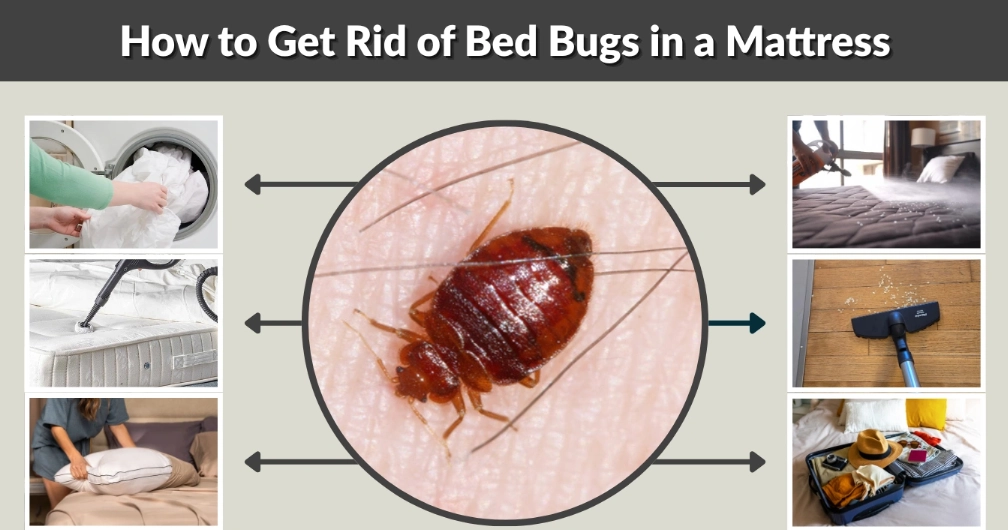
The whole-room strategy nobody talks about
Treating the bed is half the job. Here's my checklist from a recent job in a studio apartment — took two of us six hours.
- Laundry first: Strip all bedding and clothing within six feet of the bed. Wash hot (140°F), dry hot for 50 minutes. Bag everything in sealed plastic until the room is treated.
- Vacuum like you mean it: Use a crevice tool along every seam. After vacuuming, seal the bag in a plastic bag and throw it outside immediately. I've seen vacuums become breeding chambers.
- Declutter, don't just move stuff: Books, papers, clothes on the floor — bag them. Bed bugs hide in paper stacks. I found a colony inside a stack of old magazines under a nightstand once. No joke.
- Flip the box spring: Check the corner joints. That's where I find 80% of hidden egg clusters. Use a flashlight — phone light works in a pinch.
- Seal the mattress: A bed bug proof encasement (zippered, tested to keep bugs out) traps any survivors inside. They starve over 12 to 18 months. I recommend a brand with a reinforced zipper — cheap ones split at the seam.
How to keep them from coming back
Bed bugs don't live in your walls like roaches. They hitchhike. So prevention means controlling what enters your home.
When I travel, I keep my suitcase on the luggage rack — never on the bed, never on the floor. I inspect the headboard for tiny black spots before I unpack. Takes 60 seconds. Saves a thousand-dollar treatment.
Secondhand furniture? I've seen people drag a free couch home from the curb and get a full-blown infestation within two weeks. Inspect every seam before it crosses your threshold. If it's upholstered and free, leave it.
One more thing: if you live in an apartment building, tell your landlord. Bed bugs move through shared walls and plumbing. I've treated a single unit only to find the infestation had spread to three neighbors because nobody spoke up. That's the hardest lesson I've learned in this line of work.
Real questions I get on the job
I live in a studio apartment — can I really get rid of bed bugs without a pro?
Studios are actually the hardest to self-treat because there's no way to isolate the bedroom. If you're set on DIY, use the silica dust plus mattress encasement combo, but plan on a second round in 14 days. My honest take: in a studio, professional heat treatment saves you weeks of stress and costs less than replacing furniture you'll ruin with repeated sprays.
How long after treatment until I can sleep in my bed again?
For heat treatment, same night. The room cools to normal within hours. For chemical sprays, wait until dry — usually four to six hours. But here's the part people mess up: don't put your bedding back on until you've checked the interceptor cups for a full week. I've had clients remake the bed immediately and then wonder why bites continued.
I'm getting bitten but I can't find any bugs. Could it still be bed bugs?
Maybe — but check your reaction timing. Bed bug bites often don't appear until 48 hours after the bite. That throws people off. Look for the rusty spots on sheets instead. If you see none and the bites are intensely itchy within minutes, I'd suspect fleas or mites. My rule: dont treat until you find physical evidence. I've seen too many people spray a whole room for nothing.
Will throwing out my mattress get rid of them?
Only if you also treat everything else — and I mean everything. I've entered homes with a brand new mattress and bed bugs on the headboard, the baseboards, and the couch. The old mattress gets hauled away, but the survivors just wait for the new one. If you do discard a mattress, wrap it in plastic first. Leaving it on the curb unwrapped is how they spread to neighbors.
What's the one thing most people forget during treatment?
The curtains and the ceiling fan blades. I'm serious. Bed bugs crawl up. I've flicked a curtain hem and watched a nymph drop onto the windowsill. Take curtains down, bag them, run them through a hot dryer for 30 minutes. Wipe fan blades with a damp cloth and seal the cloth in a bag. Tiny detail, big payoff.
This article was fact-checked against treatment guidelines from the U.S. Environmental Protection Agency and the Centers for Disease Control and Prevention, and cross-verified with field notes from professional exterminators.
Related
How to Get Rid of Bed Bugs Fast: A Pro's Step-by-Step Guide
Waking up with mysterious bites and itchy welts? Learn exactly how to get rid of bed bugs using proven heat and chemical methods, plus the one mistake most people make that lets them come back.
Garden Pest Control: Stop Aphids, Slugs & Beetles Naturally
Frustrated by holes in your lettuce or slime on your hostas? This hands-on garden pest control guide shows you exactly how to identify and stop aphids, slugs, and Japanese beetles using methods I've tested in my own backyard for over a decade.
How to Get Rid of Cockroaches Fast: A Pro's Step-by-Step Guide
Wondering how to get rid of cockroaches without wasting money on failing traps? After a decade in pest control, I share the exact baiting map, gel placement tricks, and sealing steps that actually wipe out German and American roaches for good.
Comments