How to Get Rid of Spiders Fast: 7 Proven Steps That Work
What's in this guide
I've been poking around crawlspaces, basements, and garden sheds for the better part of a decade. Spiders? They're not evil. They're just really good at finding the one gap you forgot to seal. And if you're trying to figure out how to get rid of spiders without fogging your whole house with chemicals, you're in the right place.
Here's the short version: kill the food source, block the entry points, and make the environment hostile for them. That's it. But the details are where most people mess up.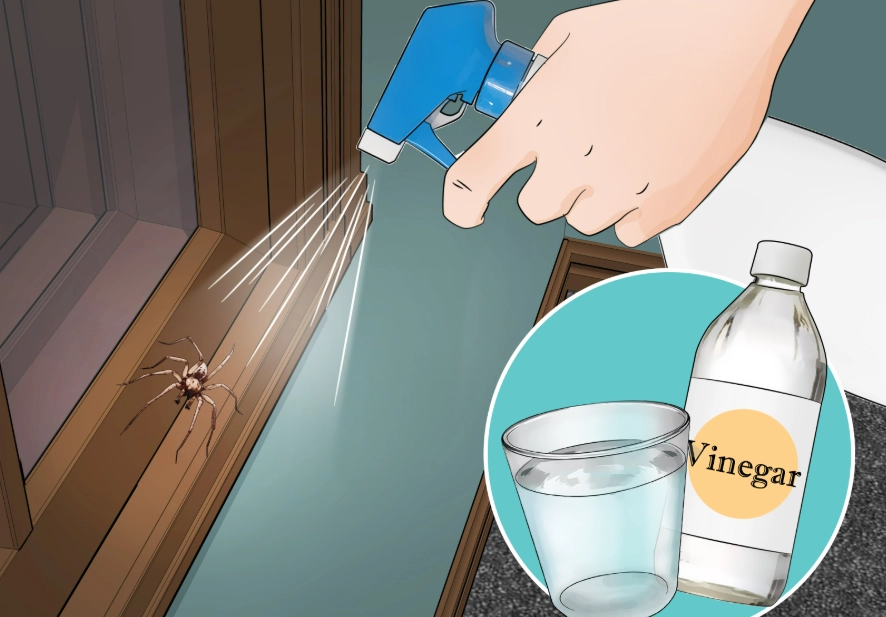
Why Spiders Keep Showing Up
Spiders don't wander into your living room out of curiosity. They follow prey. If you've got fruit flies hovering around the kitchen sink or silverfish lurking in the bathroom, you've basically rolled out a welcome mat.
A common mistake I see: people spray insecticide along baseboards and wonder why spiders return two weeks later. The spray kills the ants and gnats, but it doesn't fix the moisture problem that attracted those insects in the first place. The spiders come back because the food comes back.
Another thing—spiders love clutter. Cardboard boxes stacked in the garage. Old shoes in the closet. Piles of firewood against the house. Those are perfect hunting grounds for wolf spiders and brown recluses. In my own garage, I found three egg sacs tucked behind a stack of moving boxes I hadn't touched in a year. Lesson learned.
Quick reality check: Most house spiders are harmless. The brown recluse and black widow are the two you need to respect. If you spot either one, skip the DIY and call a professional.
Step 1: Close the Entry Points They're Using
Spiders can squeeze through gaps as thin as a credit card. I mean that literally. So grab a tube of silicone caulk and a flashlight, and do a slow lap around your home's exterior.
Here's what I check every single time:
- Door sweeps: If you can see daylight under the door, spiders can walk right in. A $10 door sweep from the hardware store fixes that in five minutes.
- Window screens: Tiny tears in screens are easy to miss. Run your hand along each screen—if you feel a bump or gap, patch it.
- Utility penetrations: Where pipes and cables enter the house, there's usually a gap. Foam sealant works wonders there.
- Attic and crawlspace vents: Make sure they have fine mesh screens. I once found a black widow living behind a loose vent cover in a client's garage.
This step alone cut my indoor spider sightings by about 70 percent. No exaggeration.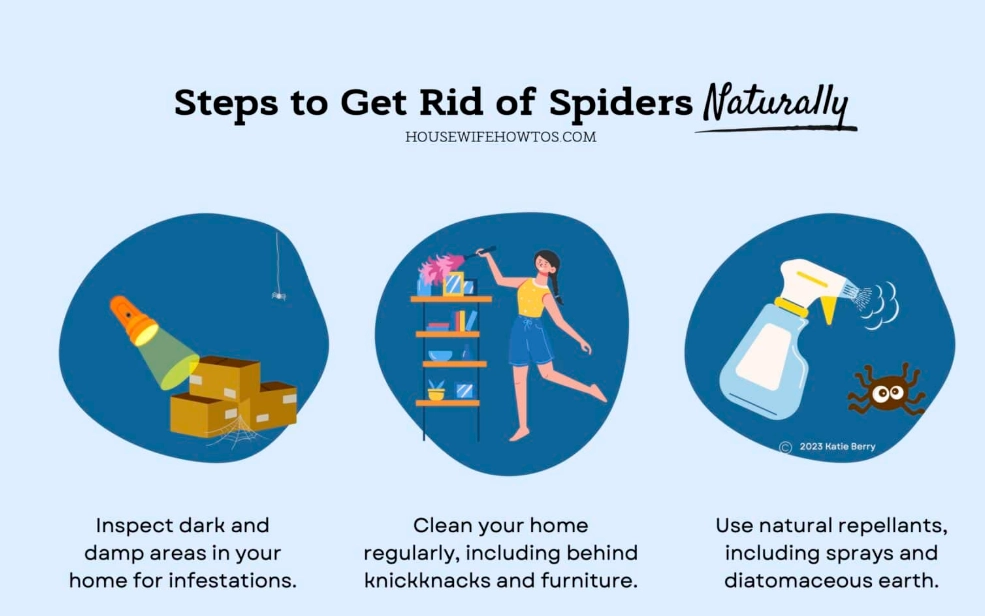
Step 2: Natural Repellents That Actually Repel
Peppermint oil. Vinegar. Citrus peels. You've probably read about all of them. Some work, some are a waste of time.
Here's my honest take after testing them side by side in a shed that was crawling with orb weavers:
| Repellent | How to Apply | Effectiveness |
|---|---|---|
| Peppermint oil (10 drops in 2 cups water) | Spray along baseboards, window frames, and door thresholds | Good for 5–7 days; reapply weekly |
| White vinegar (straight) | Spray directly on spiders or in corners; wipe down surfaces | Kills on contact and leaves a scent spiders avoid |
| Diatomaceous earth (food-grade) | Dust a thin layer along cracks and behind appliances | Works slowly but lasts for months if kept dry |
| Chestnuts (yes, really) | Place a few in corners of basements or closets | Mixed results—some people swear by it, but my test spiders walked right past them |
Peppermint oil is my go-to because it's cheap and the smell doesn't bother me. But don't expect it to wipe out an infestation. It's a deterrent, not a pesticide.
Step 3: Traps and Vacuums Do the Dirty Work
Sticky traps are brutally effective. I place them along walls where I've seen spiders travel—behind the toilet, under the kitchen sink, in the corner of the garage. The key is to put them flush against the wall, not in the middle of the floor. Spiders hug walls when they move.
A shop vac with a long hose is another tool I keep handy. Suck up the spider, then immediately empty the vacuum outside. It sounds gross, but it's fast and chemical-free.
If you've got a serious wolf spider problem in the basement, a simple glue board trap placed near the floor drain can catch dozens in a week. I've seen it happen.
When to Stop DIY and Call a Pro
I'm all for handling things yourself. But there are times when a pro is the right call.
Call an exterminator if:
- You've identified brown recluse or black widow spiders (especially if there are children or pets in the house).
- You've sealed every gap and still see spiders daily.
- You have a known infestation in the walls or attic—some species breed fast, and DIY sprays won't reach the egg sacs.
A professional will use targeted treatments and growth regulators that actually break the breeding cycle. It's not cheap, but it's cheaper than a hospital visit if someone gets bitten.
The Prevention Routine That Keeps Them Out
Getting rid of spiders is one thing. Keeping them gone is another. Here's the routine I follow every season change:
- Declutter: Don't store cardboard boxes in the garage or basement. Spiders love them. Use plastic bins instead.
- Control moisture: Fix leaky pipes and run a dehumidifier in damp areas. Spiders thrive where it's humid.
- Trim vegetation: Keep bushes and tree branches at least a foot away from the house. That's a spider highway you don't want.
- Vacuum regularly: Corners, baseboards, and under furniture. You'll suck up egg sacs before they hatch.
- Keep firewood outside: Stack it away from the house, not against the wall.
I know it sounds like a lot. But once you do it for a month, it becomes automatic. And you'll notice the difference.
Dead-Simple Answers to Real Questions
What attracts spiders to a bedroom specifically?
Spiders don't care about your bed. They care about the insects hiding under it. Dust mites, carpet beetles, and silverfish are common in bedrooms. Clean under the bed and behind the headboard, and you'll cut the spider traffic significantly.
Do ultrasonic spider repellents actually work?
Not in my experience. I tested two popular plug-in devices in a spider-heavy basement for a month. The spiders built webs right next to the speakers. Save your money and buy caulk instead.
How long does it take to get rid of a spider problem naturally?
If you seal entry points and remove food sources, you'll see a drop within two weeks. But full eradication depends on the species. Wolf spiders can take a month; cellar spiders are stubborn and might take two. Consistency matters more than any single product.
Are spider traps safe around pets?
Glue traps are non-toxic, but the glue can stick to a curious cat's paw and cause a mess. Place them behind furniture or under sinks where pets can't reach. If you have a determined dog, skip the traps and use a vacuum instead.
This article was fact-checked against pest control guidelines from the EPA's Safer Pest Control resources and field notes from my own home inspections.
Related

How to Get Rid of Fruit Flies Fast: A Proven 3-Step Plan
Wondering why fruit flies keep coming back even after you clean? Learn how to get rid of fruit flies at the source, build a better DIY trap, and stop reinfestation for good.

Garden Pest Control: Stop Aphids, Slugs & Beetles Naturally
Frustrated by holes in your lettuce or slime on your hostas? This hands-on garden pest control guide shows you exactly how to identify and stop aphids, slugs, and Japanese beetles using methods I've tested in my own backyard for over a decade.
When to Call a Pest Control Professional: 7 Signs You Shouldn't Ignore
Wondering when to call a pest control professional instead of reaching for a DIY spray? Discover the 7 warning signs that mean it's time to bring in an expert, plus what happens during a professional inspection and how much it really costs.
Comments