Household Pest Identification: Stop Guessing, Start Solving
What's Bugging You? Find It Fast
I've been called to houses where a family has been treating "ants" for three weeks, only to find out it's a termite swarm. That single misstep can cost thousands. Household pest identification isn't about being a bug nerd—it's about not wasting money on the wrong poison and not letting a small problem turn into a structural nightmare. This guide cuts through the noise. I'll show you exactly what to look at, share the tricks that actually work in the field, and point out the mistakes I see even smart homeowners make.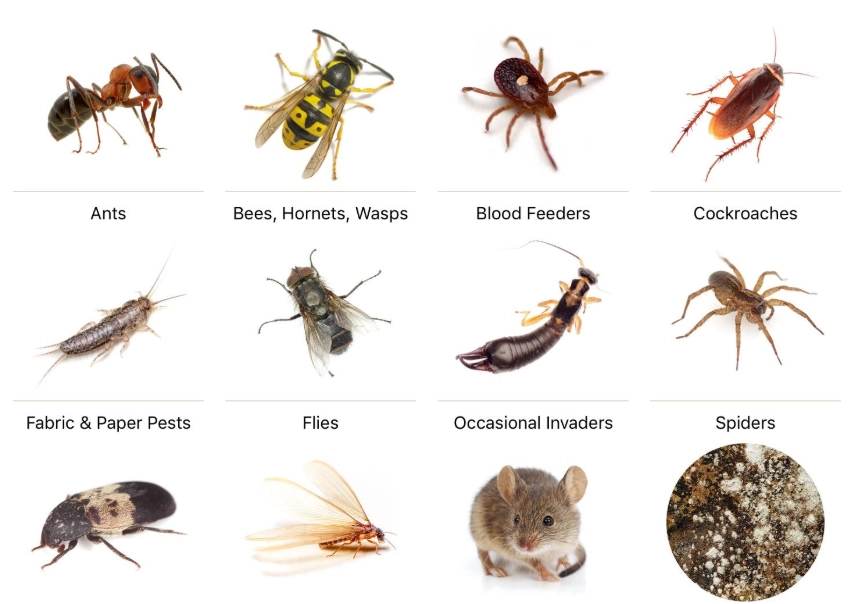
Why Most People Get Identification Wrong
People panic. They see something scuttling and grab the first spray can from the garage. Bad move. A carpenter bee and a bumblebee look similar, but one drills holes in your deck while the other just pollinates your tomatoes. Spraying a carpenter bee with wasp killer might kill it, but it doesn't solve the underlying wood issue. Proper household pest identification forces you to slow down and look at three things: the body shape, the number of legs (six for insects, eight for arachnids—like spiders and mites), and the behavior. That last one is the giveaway. A cockroach runs. A silverfish darts in a fish-like wiggle. A bed bug just hides.
The non-consensus bit: many people think they can identify pests by color alone. That's a trap. Color changes with life stage and diet. What you need is the shape of the antennae and the wings. Ants have bent, elbowed antennae; termites have straight, bead-like ones. That one distinction saves you from the most expensive mistake in the book.
I always carry a cheap 10x hand lens. You should too. It turns a confusing speck into a clear identification in seconds. Look at the waist: ants have a pinched waist, termites don't. Done.
How Do I Identify a Household Pest?
Start with location and time. A pest in the kitchen at night is very different from one in the bedroom during the day. Then use the chart below as your first filter. It covers the most common household pest identification scenarios I encounter every week. If nothing fits, catch the bug in a jar and put it in the freezer for 10 minutes—it slows down but doesn't kill, so you can snap a clear photo for a pro or a pest ID app.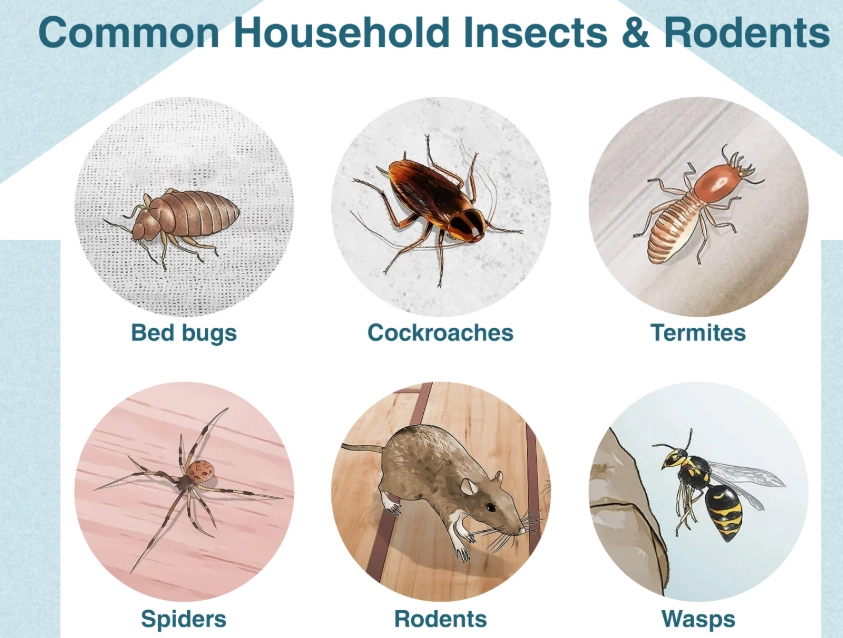
| Pest | Where You'll See It | Key Feature to Spot | Lookalike |
|---|---|---|---|
| German Cockroach | Kitchen, bathroom, warm appliances | Two dark stripes behind the head; 1/2 inch long | Wood roach (no stripes, usually outdoors) |
| House Ant (e.g., odorous) | Countertops, sinks, pet bowls | Elbowed antennae, thin waist | Termite worker (straight antennae, thick waist) |
| Bed Bug | Mattress seams, headboard, baseboards | Apple-seed shape, flat, rusty spots on sheets | Bat bug (needs microscope to tell apart) |
| Silverfish | Bookshelves, closets, ceilings | Carrot-shaped, three tails, silver scales | Firebrat (gray, prefers heat) |
| Carpenter Ant | Wood siding, window frames, crawlspace | Black, big (1/2 inch), one node on waist, sawdust piles | Termite (flies are different; termites have four equal wings) |
Words of caution: don't trust the tiny pest-ID apps with blurry photos. They'll call a flea a tick, and you'll buy the wrong product. If the pest is in a high-risk category (bed bug, termite, or carpenter ant), get a second opinion from a professional.
The 3 Pairs People Always Mix Up
1. Termites vs. Flying Ants
A swarm of winged insects near your porch can send your heart racing. I've seen people buy termite bombs for what turned out to be a harmless ant swarm. Here's the field test: look at the wings. Termite swarmers have four wings of equal length; flying ants have two long and two short. Also, check the waist—ant has a pinch, termite is straight. Last check: didn't have a swarm event? Look for mud tubes around windows or foundation—termites build those, ants don't.
2. Fleas vs. Bed Bug Bites
I've inspected homes where the sheet had bites but no bugs. The tell is on the skin: flea bites typically cluster on ankles and legs, often with a red halo; bed bug bites can show up anywhere, often in linear rows of three. But don't rely on bite patterns alone. Catch the bug. A flea jumps; a bed bug doesn't. I once spent hours chasing "bed bugs" in a bedroom with a resident cat. Turned out to be fleas. Inspect your pets—if they are scratching and have black pepper-like debris (flea dirt), that's your culprit.
3. Carpenter Bees vs. Bumblebees
Carpenter bees have a shiny, black abdomen, while bumblebees are fuzzy all over. Once I found a homeowner calling pest control for "bumblebees" drilling into their porch ceiling. That's carpenter bee behavior. The male carpenter bee hovers aggressively but can't sting. The female can, but rarely does unless you're actually handling her. Spraying the bee is useless—you need to treat the wood with an insecticidal dust or paint it. Killing one bee won't stop a colony.
The trick that never fails: A cockroach on a glue trap is easy to ID. A cockroach on the floor at 2 AM is not. Get a glue trap. It's a $2 investment that gives you a definitive answer in 8 hours.
What Pest Is Active Now? A Quick Cheat Sheet
Seasonality guides household pest identification more than most people realize. Spring brings ant scouts and termite swarms. Summer is roach and fly season—I see a spike in German cockroach calls every July. Fall drives mice and silverfish indoors for warmth. Winter? Look for cluster flies in the attic and brown marmorated stink bugs on windowsills. A pest you find in January is often a different species than the one you found in May, so identify before you treat.
DIY Mistakes I See All the Time
Here's where I get a little frustrated. People use outdoor ant bait inside. They spray window cleaner on bed bugs. I once met a homeowner who poured bleach on a carpet beetle larvae infestation—she destroyed her floor. Household pest identification is step one, not step "guess and blast."
- Mistake 1: Treating for roaches when you have water bugs. Water bugs (oriental roaches) like damp basements; if you spray typical roach bombs, they scatter deeper.
- Mistake 2: Using mouse traps for rats. Rats are neophobic—they avoid new traps for days. Use unset traps for 24 hours first, then bait. I learned that from a retired exterminator in my hometown.
- Mistake 3: Waiting too long to identify. A spider beetle can look like a bed bug. Before you call a pro, catch the bug. But if you see bed bug signs (blood spots, fecal specks), don't wait for a perfect ID. Call a certified inspector.
One more thing: the pest control industry often recommends broad-spectrum sprays, but for household pest identification, that can backfire. Treating a carpet beetle with a fogger won't kill the larvae in your wool sweaters. Focus on source removal: vacuum, wash with hot water, and use targeted products like boric acid for cockroaches (not for bed bugs).
Straight Answers to Sticky Questions
How do I tell a bed bug from a bat bug if I find one in the living room?
You can't with a naked eye—they look identical. Bat bugs have longer hairs on their body, but you need a microscope. If bats live in your attic, it's likely a bat bug. Call a bat removal specialist first; treating for bed bugs won't fix the root cause.
I found tiny brown bugs near my cat's food. Do I have roaches or beetles?
Look at the antennae. Cockroach nymphs have long, waving antennae and two cerci (little tail-like appendages). Grain beetles have clubbed antennae and no cerci. Put out a glue trap under the bowl. If it's one or two, it's probably a beetle; more than five and you might have a German roach breeding site.
Why did my ant bait not kill the ants? I used a gel.
Many household ants (like argentine ants) have multiple queens. Bait can kill foragers but not the colony. If you see ants after a week, the bait might be too old or the colony is rejecting it. Switch to a protein-based bait if you first used a sugar-based one. And don't spray over the bait trail—that ruins the whole operation.
Are those silverfish or centipedes in my bathroom?
Silverfish have three tails and a teardrop body. House centipedes have many legs and move fast. Both indicate moisture. The real fix: run the vent fan, fix leaks, and store paper items in sealed bins. I see silverfish in nearly every bathroom where the exhaust fan is loud but seldom used.
This guide reflects field notes and verified reference points from university extension services and pest management professionals. Always cross-check identification with a local extension office if you're unsure about a high-risk pest.
Related

Garden Pest Control: Stop Aphids, Slugs & Beetles Naturally
Frustrated by holes in your lettuce or slime on your hostas? This hands-on garden pest control guide shows you exactly how to identify and stop aphids, slugs, and Japanese beetles using methods I've tested in my own backyard for over a decade.

How to Get Rid of Mosquitoes Fast: Backyard Tactics That Work
Tired of mosquito bites ruining your evenings? Learn how to get rid of mosquitoes with proven backyard tactics, from eliminating breeding spots to DIY traps and plants that actually work.
When to Call a Pest Control Professional: 7 Signs You Shouldn't Ignore
Wondering when to call a pest control professional instead of reaching for a DIY spray? Discover the 7 warning signs that mean it's time to bring in an expert, plus what happens during a professional inspection and how much it really costs.
Comments