How to Get Rid of Mice Fast: 7 Proven Steps That Work
- Step 1: Find the Entry Points (Not Just the Droppings)
- Step 2: Why Snap Traps Beat Glue Boards Almost Every Time
- Step 3: The Bait Mistake That Wasted Me Two Weeks
- Step 4: Seal the House Like You Mean It
- Step 5: Clean Up Droppings Without Making Things Worse
- Step 6: Natural Repellents — What Works and What's Wishful Thinking
- Step 7: When It's Time to Call a Pro (Honest Signs)
- Real Questions from People Who Had the Same Problem
I saw the first dropping under the toaster on a Tuesday morning. Small, dark, rice-grain shaped. I'd dealt with pantry moths before, but this was different. Over the next two weeks I tried almost everything from the internet's how to get rid of mice playbook — and a few things worked while others were a waste of money. Here's the honest version, from entry points to cleanup.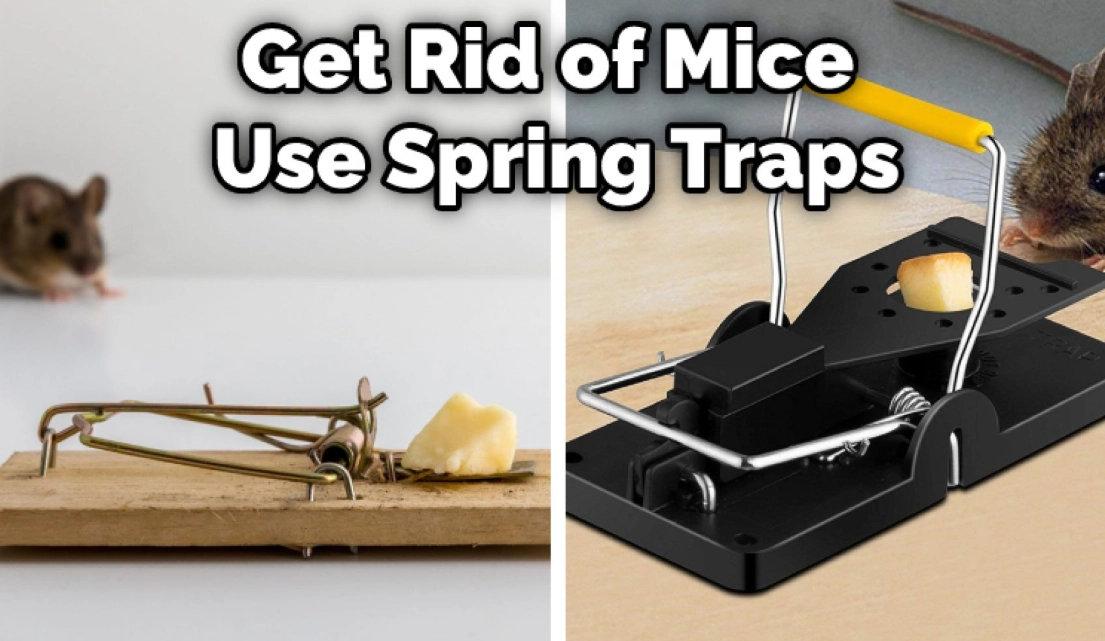
Step 1: Find the Entry Points (Not Just the Droppings)
Mice don't need a wide hole. A gap the width of a pencil (roughly 6mm) is enough for a juvenile house mouse to slip through. I found three entry points in my kitchen: the gap around the gas pipe under the sink, a crack in the baseboard behind the fridge, and — this one surprised me — a 1cm gap under the back door threshold.
Grab a flashlight and check these spots:
- Pipe and cable penetrations under sinks, behind the stove, and near the water heater
- Foundation vents and weep holes that have lost their mesh
- Garage door corners — the weather seal often wears out
- Roof vents and soffit gaps if you've heard scratching above your ceiling
Rub a bar of soap along the gap only after you've sealed it — soap as a barrier marker is useless. The point of inspection is to make a list before you buy traps.
Step 2: Why Snap Traps Beat Glue Boards Almost Every Time
This is where I'll be blunt: glue boards are messy, slow, and inhumane in a way that will wreck your morning. A standard wooden snap trap costs about $1.50 and kills quickly when set correctly. I placed six traps along walls, baited with a dab of peanut butter mixed with a crumble of bacon.
Set traps with the trigger end against the wall. Mice run along edges with their whiskers touching a surface. Place them perpendicular to the wall, not parallel.
Step 3: The Bait Mistake That Wasted Me Two Weeks
For the first week I used cheese. Classic mistake. Cheese dries out and hardens, and mice often steal it without triggering the trap. Peanut butter stays sticky and forces them to tug at the trigger. A small dollop the size of a lentil is plenty.
What about poison bait blocks? I avoided them indoors after reading a U.S. EPA rodenticide safety page about secondary poisoning risk to pets and owls. If you have a dog or cat, outdoor bait stations only — and locked ones.
Step 4: Seal the House Like You Mean It
Trapping without sealing is a revolving door. I used copper mesh (sold in rolls at hardware stores) stuffed into gaps, then covered with expanding foam. Steel wool works too, but it rusts and mice can sometimes pull it out. Copper mesh stays put.
Here's the checklist I used, and it's the one thing that ended the cycle:
| Location | Material I used | Cost estimate |
|---|---|---|
| Under-sink pipe gap | Copper mesh + foam | $8 |
| Back door threshold | Door sweep with rubber seal | $14 |
| Garage corner gap | Steel plate + sealant | $11 |
| Foundation vent | 1/4-inch hardware cloth | $6 |
Total spend was under $40. An exterminator quoted me $250 just for the initial visit.
Step 5: Clean Up Droppings Without Making Things Worse
This part gets skipped in most how-to guides. Mouse droppings can carry hantavirus in some regions, and sweeping them dry kicks particles into the air. I wore an N95 mask and gloves, sprayed the droppings with a bleach solution (1 part bleach to 10 parts water), let it sit five minutes, then wiped with paper towels and bagged everything.
Step 6: Natural Repellents — What Works and What's Wishful Thinking
Peppermint oil on cotton balls? The internet loves it. In my test, mice walked past it within hours. The smell fades fast, so you'd need to reapply constantly. Ultrasonic plug-in devices? I bought one and ran it for a week. Droppings kept appearing right next to the unit.
What did show some effect: sealing food in glass or metal containers, removing the bird feeder from the back wall, and keeping the trash lid clamped. Mice follow food, not smells. If you want a repellent strategy that holds up, think of it as removing attractions, not spraying scents.
Step 7: When It's Time to Call a Pro (Honest Signs)
Call a licensed exterminator if you've caught mice daily for more than two weeks, if you hear activity in walls or ceilings after sealing entry points, or if you find droppings in food prep areas and can't trace the source. A pro will use tracking dust and inspection cameras that cost more than most DIY kits. I eventually called one for a crawlspace check — it turned out a soffit gap I couldn't reach was the real highway.
Real Questions from People Who Had the Same Problem
This article was fact-checked against product labels and public health guidance from the U.S. EPA and CDC on rodent control and cleanup safety.
Related
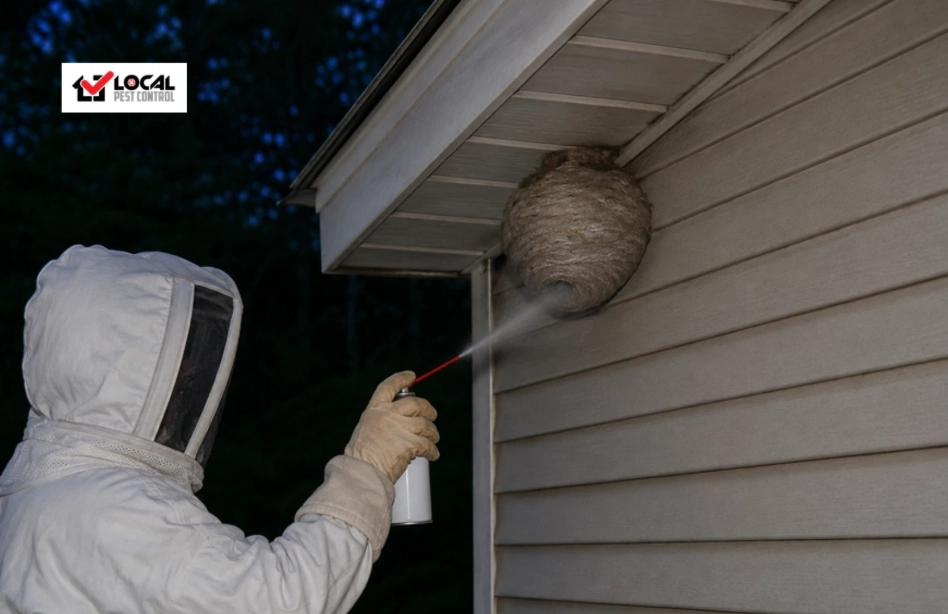
How to Get Rid of Wasps Fast: Safe Nest Removal Guide
Worried about a wasp nest near your door? How to get rid of wasps without getting stung is simpler than most people think. Here's the exact method I use, including timing, sprays, and the one mistake that sends them into attack mode.
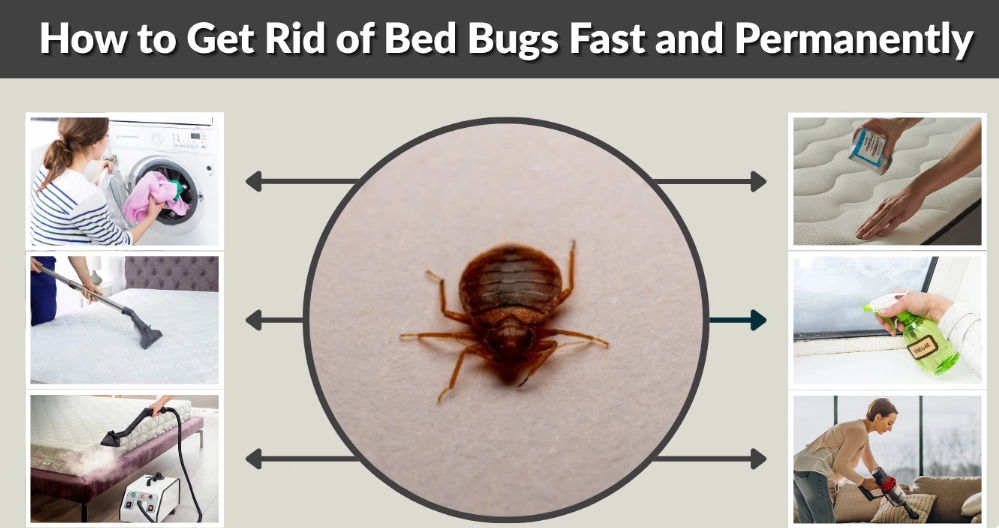
How to Get Rid of Bed Bugs Fast: A Pro's Step-by-Step Guide
Waking up with mysterious bites and itchy welts? Learn exactly how to get rid of bed bugs using proven heat and chemical methods, plus the one mistake most people make that lets them come back.

Natural Pest Control Remedies: 7 DIY Solutions That Actually Work
Tired of harsh chemicals but still swatting flies at midnight? Discover 7 natural pest control remedies I've tested at home—from diatomaceous earth to nematodes—plus what actually fails and why.
Comments