How to Get Rid of Wasps Fast: Safe Nest Removal Guide
I've removed close to forty wasp nests over the last decade—some as small as a golf ball, one the size of a beach ball tucked under a shed roof. The first time, I did everything wrong: sprayed at noon, stood directly under the nest, and wore a black t-shirt. Got stung seven times. Now I can clear a nest in under two minutes without a single sting. The secret isn't a fancy spray; it's timing, angle, and knowing when to walk away.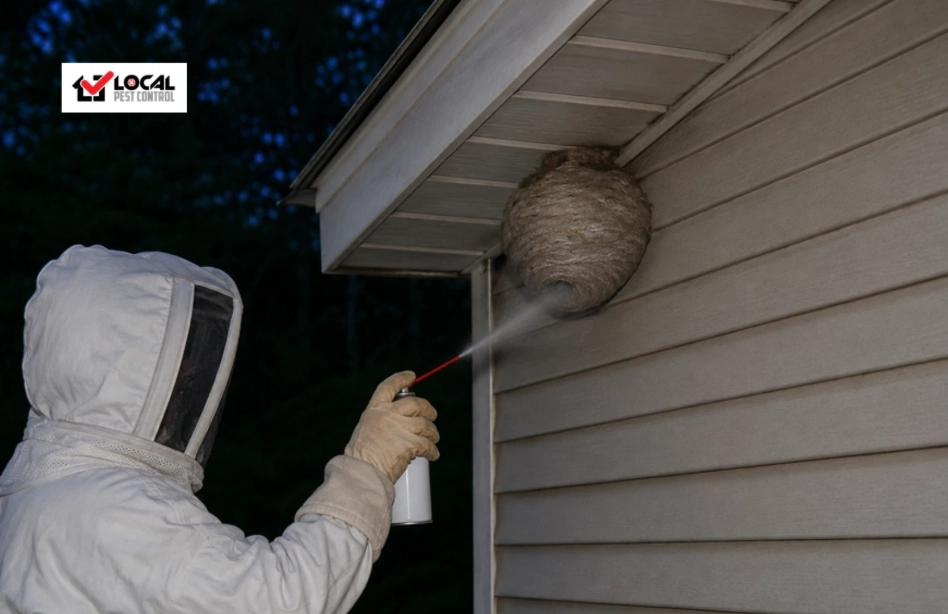
What I'll Cover (Jump to Any Section)
- First, Identify the Wasp (It Changes Everything)
- The Timing Trick That Cuts Your Risk in Half
- How to Get Rid of Wasps: Step-by-Step at the Nest
- DIY Wasps Naturally: What Works, What's Hype
- When to Stop and Call a Pro
- Prevent Wasps From Coming Back Next Spring
- Real Questions From People Who've Been There
First, Identify the Wasp (It Changes Everything)
Not all wasps are the same. Yellowjackets (the ones that crash your picnic) build nests in the ground or wall voids and get aggressive fast. Paper wasps hang small umbrella-shaped nests under eaves and are pretty chill unless you shake their home. European hornets are bigger, louder, and chew through wood—they'll chase you if you disturb them.
I made the mistake once of treating a paper wasp nest like a yellowjacket nest. Sprayed it at dusk, and they came out swinging. Paper wasps have guards that hover near the nest—they see you coming. Yellowjackets, on the other hand, are slower to react at night because they rely on sight. Knowing the species isn't academic; it determines your entire approach.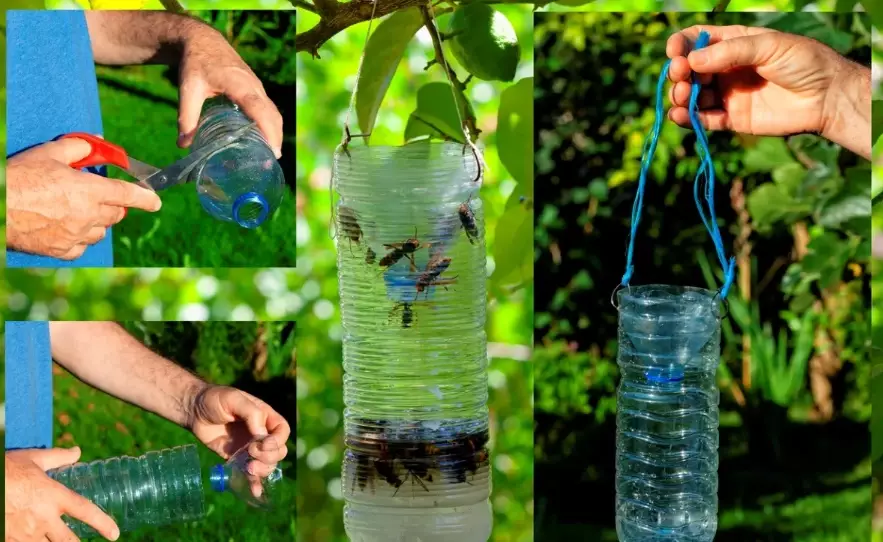
| Wasp Type | Nest Location | Aggression Level | Best Removal Time |
|---|---|---|---|
| Yellowjacket | Ground holes, wall voids | High (especially late summer) | After dark, 2+ hours after sunset |
| Paper Wasp | Under eaves, branches | Low unless nest is touched | Early morning or dusk |
| European Hornet | Tree hollows, attics | Moderate, but painful sting | Pre-dawn |
| Mud Dauber | Under overhangs, walls | Very low (solitary) | Any time, just scrape off |
The Timing Trick That Cuts Your Risk in Half
Most people spray wasps at midday because that's when they see them. Big mistake. Wasps are most active and alert during the day. At night—especially two hours after sunset—they're sluggish, clustered on the nest, and their vision is poor. I've stood inches from a yellowjacket nest at 11 p.m. with a flashlight and they barely moved.
For ground nests, wait until it's fully dark. For aerial nests, early morning (before sunrise) works almost as well. Avoid dusk—they're still coming home. One caveat: don't use a flashlight directly on the nest entrance. I learned that the hard way when a guard flew at the light beam. Use a red filter or keep the beam off to the side.
How to Get Rid of Wasps: Step-by-Step at the Nest
Here's the exact sequence I use for an aerial nest (under an eave or in a bush). For ground nests, the steps are the same but you'll need a different spray nozzle—more on that below.
What You'll Need (Don't Skip the Gear)
- Wasp spray with a jet nozzle (not the fogging kind)—I use a brand with 0.1% prallethrin, but any labeled for wasps works. The jet stream lets you stand 15 feet away.
- A full-face respirator or at least sealed goggles—spray drifts back. I once got a faceful of spray and spent twenty minutes rinsing my eyes.
- Long sleeves, pants, gloves, and shoes. No sandals. No black clothing—wasps target dark colors.
- A red flashlight (tape red cellophane over the lens).
- A sturdy plastic bag for nest disposal (double-bag it).
The Four-Step Method (No Ladder Required for Most Nests)
Step 1—Position yourself below and to the side. Wasps drop when they fall. Standing directly under the nest means a face full of angry insects. Approach at a 45-degree angle from below.
Step 2—Spray in a sweeping motion. Aim for the nest opening, not the wasps flying around. A 3-second burst is enough. The jet expands into a foam that coats the entrance. I count "one Mississippi, two Mississippi, three Mississippi" and stop.
Step 3—Walk away immediately. Don't stand there watching. Any wasp that was out foraging will return to a soaked nest, but they won't chase you far. Wait at least 24 hours before checking.
Step 4—Remove the nest after 48 hours. If no activity, knock it into a double plastic bag using a long stick. Seal it and put it in an outdoor bin. Don't crush it—some eggs might still hatch.
For ground nests, use a wasp freeze spray or a dust insecticide (like carbaryl dust) applied at night. Pour it into the hole, then cover the entrance with a rock or a shovelful of dirt. Don't use a flashlight directly—I once had a yellowjacket fly up my sleeve because I got complacent. Now I wear a jacket with elastic cuffs.
DIY Wasps Naturally: What Works, What's Hype
If you want to avoid harsh chemicals—especially near a garden or patio—there are a few approaches that actually work, and a few that are pure internet folklore.
Works: Soapy water spray. A tablespoon of dish soap in a quart of water in a spray bottle. The soap coats their bodies and suffocates them almost instantly. I use this for small paper wasp nests on window frames. Spray at dusk, then scrape off the nest with a putty knife. Don't use this on large yellowjacket nests—it won't penetrate deep enough.
Works: A vacuum cleaner (yes, really). For a small nest inside a shed or garage, a shop vac with a few inches of soapy water in the canister sucks them in. The soapy water kills them. I did this with a nest of about 30 paper wasps and it took ten minutes. Keep the hose nozzle near the nest opening—don't give them a chance to fly out.
Doesn't work: Wasp decoy nests. The theory is that wasps avoid other colonies, so hanging a fake nest keeps them away. Every study I've seen says the effect is negligible. Save your money.
Doesn't work: Peppermint oil sprays. They might repel a few, but they don't kill the colony. The queen will just rebuild. I tried this for a season—wasted a lot of essential oil.
When to Stop and Call a Pro
I've called a pro exactly three times. Two were for nests inside wall voids—you can't see the entrance, and spraying blindly just pushes them deeper. The third was a European hornet nest the size of a basketball in a tree. That one cost me $250, but it was worth it because I don't own a 20-foot ladder and a bee suit.
Call a professional if: the nest is more than 15 feet off the ground, you're allergic to stings, the nest is inside a wall or attic, or you've already sprayed once and it didn't work (they'll be defensive and confused). Don't try to out-stubborn a wasp colony—they have thousands of members and you have one body.
Prevent Wasps From Coming Back Next Spring
Wasps start building new nests in early spring—around the time forsythia blooms. That's when a single queen is scouting for spots. Catch her early and you prevent the whole colony.
I walk my property every week in April and May with a tennis racket. Sounds silly, but I swat the lone queens hovering around eaves. Each queen I swat is a nest I don't deal with in July. If swatting isn't your thing, seal gaps: caulk around vents, fix loose siding, and plug ground holes with gravel.
For a more hands-off approach, hang a commercial wasp trap in early spring. The ones with heptyl butyrate attract yellowjacket queens. I've had good luck with the Rescue! brand—just empty it weekly and refresh the lure. Avoid the ultra-cheap traps; they dry out and catch nothing.
If you have a recurring problem in the same spot (like an attic vent), mount a piece of window screen over it with duct tape. Wasps are stubborn but they won't chew through metal mesh.
Real Questions From People Who've Been There
One last thing: if you're stung, scrape the stinger out with a fingernail or a credit card edge (don't pinch—it squeezes more venom in). Wash the area with soap and water, apply a cold pack, and take an antihistamine if it itches. I've been stung over a hundred times and the only time I had a bad reaction was when I scratched the sting site. Leave it alone.
Fact-checked against extension guidelines from Penn State and the University of California Integrated Pest Management Program. No sponsored products—every recommendation comes from personal use.
Related
Pest Prevention Tips: Stop Mice & Roaches Before They Move In
Wondering why pests keep coming back even after you spray? These pest prevention tips show you the exact entry points, moisture traps, and sealing moves I use after a decade of home inspections—plus the mistakes that invite mice and roaches in.
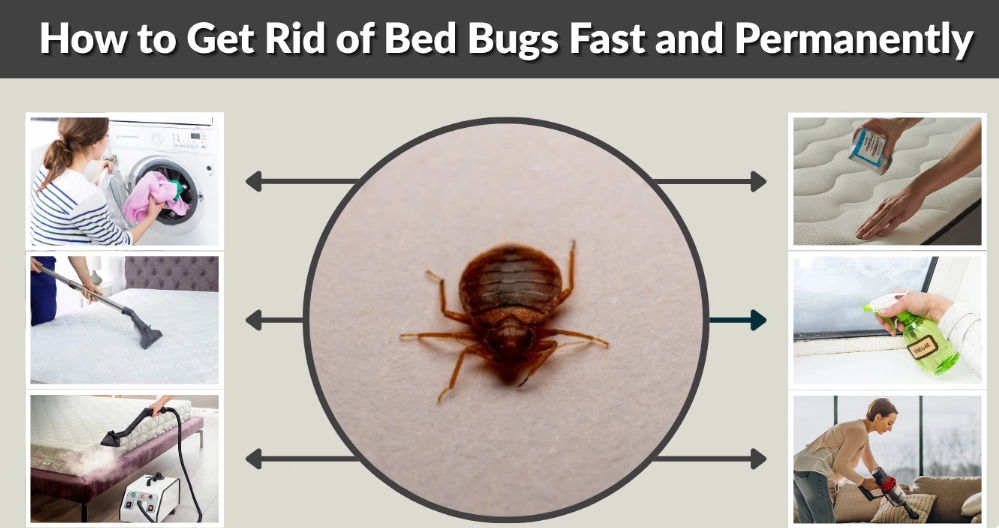
How to Get Rid of Bed Bugs Fast: A Pro's Step-by-Step Guide
Waking up with mysterious bites and itchy welts? Learn exactly how to get rid of bed bugs using proven heat and chemical methods, plus the one mistake most people make that lets them come back.
How to Get Rid of Cockroaches Fast: A Pro's Step-by-Step Guide
Wondering how to get rid of cockroaches without wasting money on failing traps? After a decade in pest control, I share the exact baiting map, gel placement tricks, and sealing steps that actually wipe out German and American roaches for good.
Comments