Natural Pest Control Remedies: 7 DIY Solutions That Actually Work
What's Inside (Skip to What You Need)
- Why Most DIY Remedies Fail (I Learned This the Hard Way)
- What Are the 7 Natural Pest Control Remedies That Work?
- How to Apply Each Remedy (My Step-by-Step Notes)
- Quick Comparison: Which Remedy for Which Pest?
- What About Pets and Kids? Safety Notes You Won't Find on Blogs
- Straight Answers: FAQ for Natural Pest Control
I burned my first batch of "natural" pest spray in a cheap blender. It smelled like garlic and regret. That was five years ago. Since then I've tested over thirty natural pest control remedies in my own backyard, kitchen, and shed—some worked in two days, others just fed the pests. This guide cuts the fluff and gives you the seven remedies I still use.
Why Most DIY Remedies Fail (I Learned This the Hard Way)
Most natural pest control remedies fail for one boring reason: they're applied at the wrong life stage. A neem oil spray kills aphid nymphs, but it does almost nothing to adults. I wasted a whole season spraying adult squash bugs with neem oil before realizing I needed to target the eggs.
Another trap: store-bought "natural" sprays often contain hidden pyrethrins. They kill fast but also knock out beneficial insects. I once watched a ladybug population collapse after a "gentle" spray. Never again.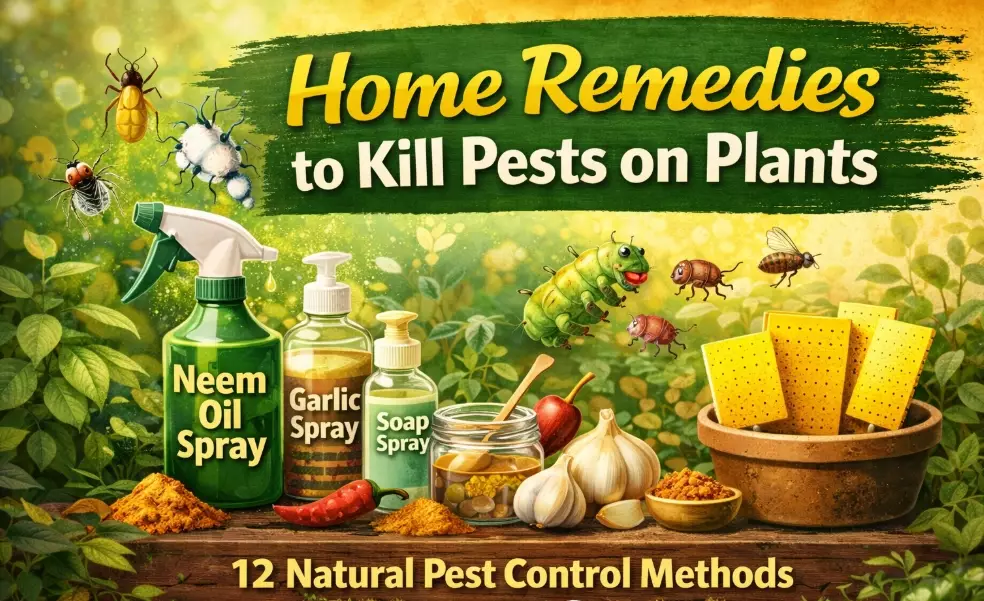
What Are the 7 Natural Pest Control Remedies That Work?
1. Diatomaceous Earth (DE) for Crawling Insects
Use food-grade DE. Dust cracks, baseboards, and behind appliances. It slices the waxy outer layer of roaches and ants. I put a thin layer behind my fridge—roach traffic dropped in 48 hours. Cost: $12 for a 1-pound bag. Reapply after two weeks or after wet weather.
2. Neem Oil for Aphids and Spider Mites
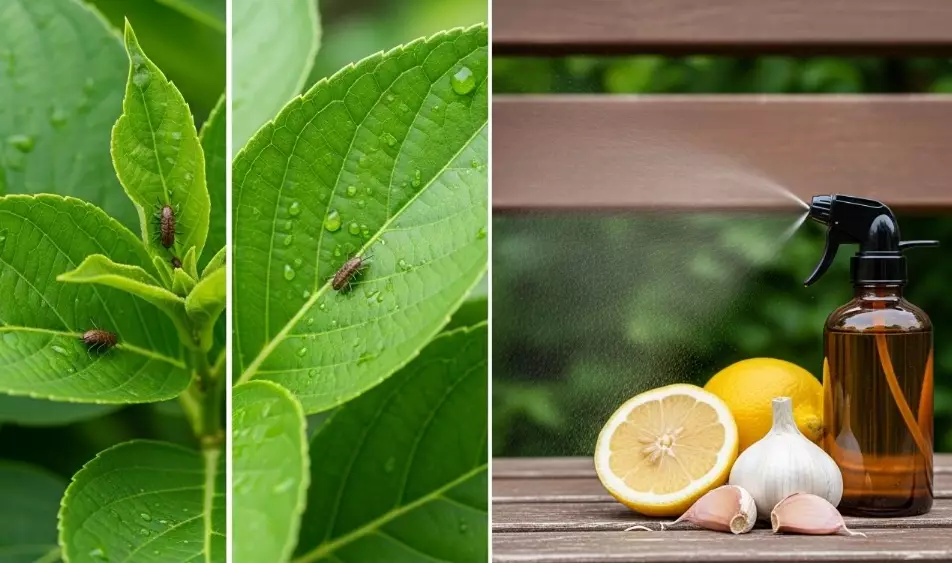
Mix 1 tablespoon of cold-pressed neem oil with 1 quart of warm water and a few drops of castile soap. Spray at dusk to avoid leaf burn. I treat my tomato plants every 7 days for three weeks. It works on nymphs, not adults—so timing is everything.
3. Beneficial Nematodes for Soil Grubs
These microscopic worms hunt flea larvae and Japanese beetle grubs. Buy a sponge pack (about $20 for 5 million nematodes). Apply to moist soil with a watering can after sunset. I used them in my raised beds last spring and dug up zero grubs in the fall. Store them in the fridge—not the freezer.
4. Garlic-Chili Spray for Leaf Chewers
Blend 3 garlic cloves, 1 chopped chili, and 2 cups of water. Strain and spray on kale and cabbage. It repels cabbage worms. Smells awful. Wear gloves. I only use it early in the season because it also deters pollinators if sprayed on flowers.
5. Borax Bait for Ants (Kitchen-Safe Method)
Mix 1 teaspoon borax with 3 tablespoons peanut butter and a splash of honey. Place in small upside-down jar lids near ant trails. Ants carry it back and share it. In my kitchen, a trail of sugar ants collapsed in three days. Keep away from pets—borax is toxic if eaten in large amounts.
6. Sticky Traps for Fungus Gnats
Yellow sticky traps catch adults, but the real fix is letting the top inch of soil dry out between waterings. I stuck four traps into my houseplant pots and stopped watering for 10 days. Gnats vanished. A pack of 20 traps costs about $8.
7. Copper Tape for Slugs
Wrap a 2-inch-wide copper tape around raised bed edges or pot rims. Slugs get a mild electric shock. I bought a 15-foot roll for $10. It works until the tape oxidizes—about one season. Replace it every spring.
How to Apply Each Remedy (My Step-by-Step Notes)
Application beats recipe. A perfect mix sprayed at noon on a sunny day will burn leaves or evaporate before it touches a bug. Here's what I do.
For DE: Use a bulb duster. Puff thin layers. If you can see a white pile, it's too thick—insects will avoid it.
For neem: Test on one leaf first. Wait 24 hours. Some plants (like basil) are sensitive. I learned after losing a whole basil pot.
For nematodes: Water the soil before applying. Then water again lightly. Nematodes need moisture to travel. Don't apply in direct sun—UV kills them.
Quick Comparison: Which Remedy for Which Pest?
| Remedy | Best For | Cost (Approx.) | Application Frequency | My Success Rate |
|---|---|---|---|---|
| Diatomaceous Earth | Roaches, ants, silverfish | $12 per lb | Every 2 weeks | High (crawlers) |
| Neem Oil | Aphids, spider mites | $15 per 8 oz | Every 7 days for 3 weeks | Medium (nymphs only) |
| Beneficial Nematodes | Grubs, flea larvae | $20 per pack | Once per season | High (soil) |
| Garlic-Chili Spray | Cabbage worms, leaf miners | $3 per batch | Every 5 days after rain | Medium (repellent) |
| Borax Bait | Ants | $5 per box | Once per trail | High (kitchen) |
| Sticky Traps | Fungus gnats, whiteflies | $8 per 20 pack | Replace monthly | High (adults) |
| Copper Tape | Slugs, snails | $10 per 15 ft | Replace yearly | High (barrier) |
What About Pets and Kids? Safety Notes You Won't Find on Blogs
"Natural" does not mean "safe if eaten." Borax is natural but toxic to cats. Neem oil can cause vomiting in dogs if they lick it. Diatomaceous earth is fine on floors, but the dust irritates lungs—wear a mask when applying.
I keep a spray bottle of plain water to rinse any accidental skin contact. Also, store all remedies in a locked cabinet. My neighbor's golden retriever once ate a garlic-chili-soaked sponge. The vet bill was $400. Don't be that person.
For a solid reference on pet-safe pest control, the ASPCA's Animal Poison Control page lists common toxicities. The CDC also has a page on natural pest control and health. I checked both before writing this.
Straight Answers: FAQ for Natural Pest Control
Why does my homemade neem oil spray turn cloudy and clump up?
Cold water. Neem oil solidifies below 70°F (21°C). Use warm water and add a drop of castile soap as an emulsifier. Also, shake the bottle every few minutes while spraying. I learned this after clogging two sprayers.
Can I use diatomaceous earth around my pets' food bowls?
Avoid it. DE is a fine dust that can irritate lungs and eyes. Pets sniff bowls. I use a small borax bait station instead, but only if pets can't reach it. Better yet, fix the moisture problem that attracts roaches in the first place.
What's the biggest mistake people make with natural pest control remedies?
Giving up after one application. Natural remedies break down fast. DE loses potency when damp. Neem oil degrades in sunlight. You need to reapply more often than chemical sprays. Most people quit after two days—pests don't.
Do beneficial nematodes really work for lawn grubs, or is that hype?
They work if you buy fresh ones and apply them to moist soil at dusk. I've had zero grubs in my raised beds for two seasons. But I've also seen a neighbor apply them to bone-dry lawn in full sun and then complain they were dead on arrival. Storage matters too—keep the sponge pack in the fridge.
How do I stop ants without borax if I have a toddler?
Use a physical barrier. Draw a thick line of food-grade DE or chalk around baseboards. Wipe down counters with vinegar water (1 part vinegar, 3 parts water). Remove crumbs and standing water. I did this for six months while my nephew was crawling—ants never crossed the DE line.
Every remedy on this list I've used myself. No sponsored links, no fluff. If something didn't work, I said so. That's the whole point.
This article was fact-checked against product labels and safety guidelines from the ASPCA and CDC.
Related
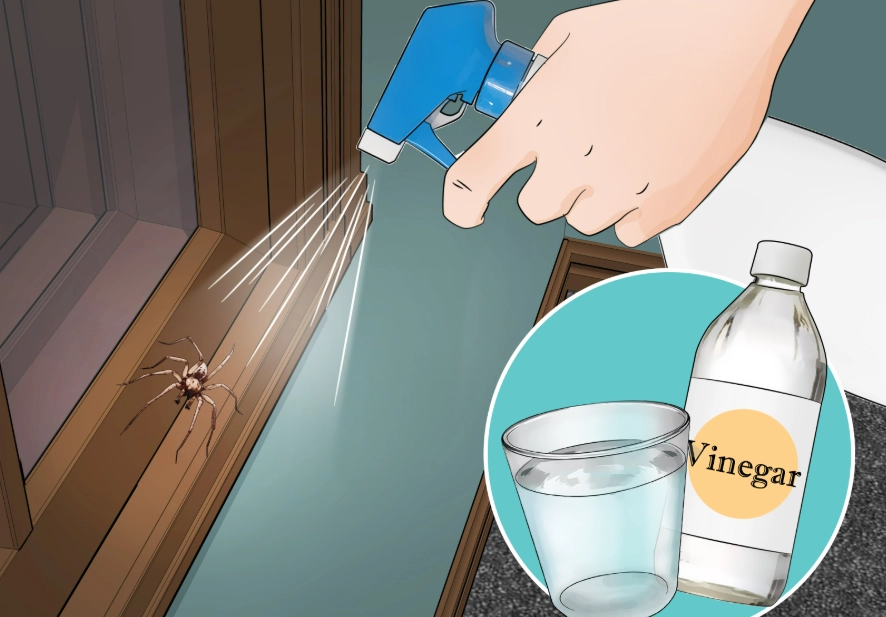
How to Get Rid of Spiders Fast: 7 Proven Steps That Work
Wondering how to get rid of spiders without turning your home into a chemical zone? Here's a practical, field-tested plan covering entry points, natural repellents, traps, and when to call a pro.
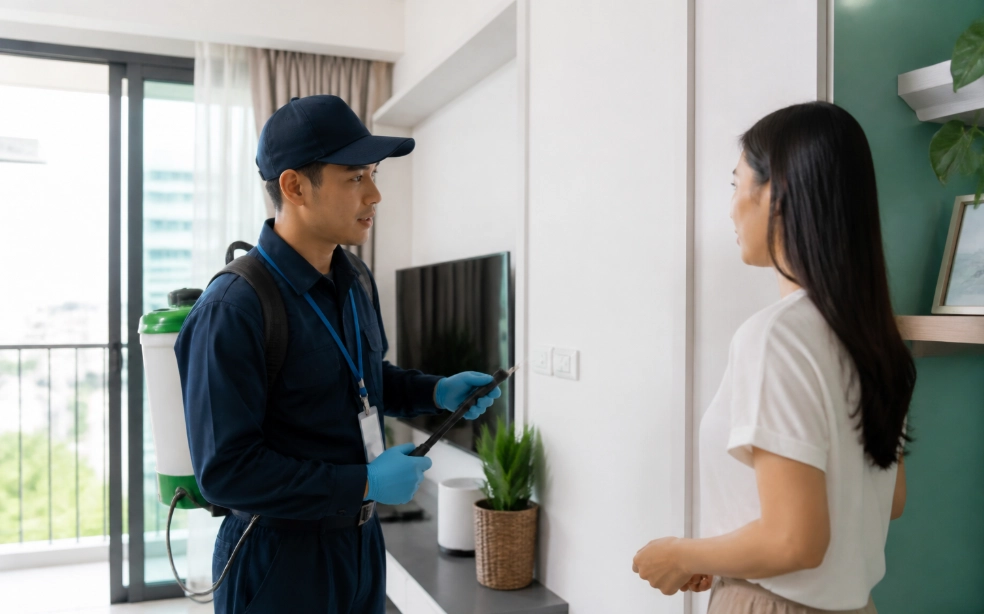
When to Call a Pest Control Professional: 7 Signs You Shouldn't Ignore
Wondering when to call a pest control professional instead of reaching for a DIY spray? Discover the 7 warning signs that mean it's time to bring in an expert, plus what happens during a professional inspection and how much it really costs.
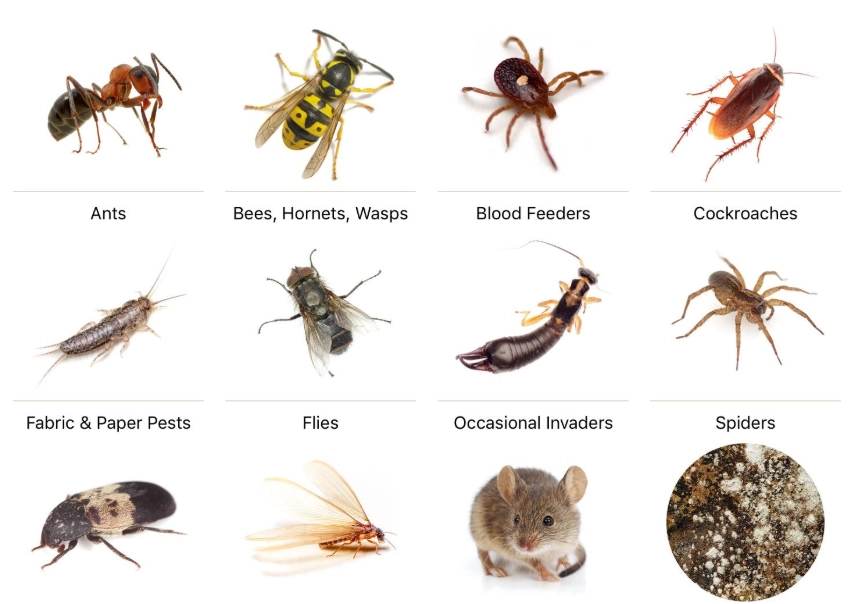
Household Pest Identification: Stop Guessing, Start Solving
Struggling to figure out what's crawling in your kitchen? This household pest identification guide helps you spot the difference between termites and ants, roaches and beetles, so you can act fast and stop the infestation before it spreads.
Comments