When to Call a Pest Control Professional: 7 Signs You Shouldn't Ignore
What's in this guide
Why Timing Matters More Than You Think
I've seen it dozens of times. A homeowner spots a few ants near the kitchen sink, grabs a $6 spray from the hardware store, and feels proud. Three weeks later, the counter is crawling. The spray killed the scouts, not the colony. The nest is still under the concrete slab.
That's the core problem. Knowing when to call a pest control professional isn't about reaching some panic threshold. It's about recognizing the gap between what you can see and what's actually happening behind the walls.
Here's the non-consensus take: most pest problems are already moderate-to-severe by the time you spot the first one. Termites? Worker termites have been eating wood for two to four years before you notice a swarm. Bed bugs? A single mated female can turn into an infestation of hundreds in under three months. The visible pest is the tip of a very expensive iceberg.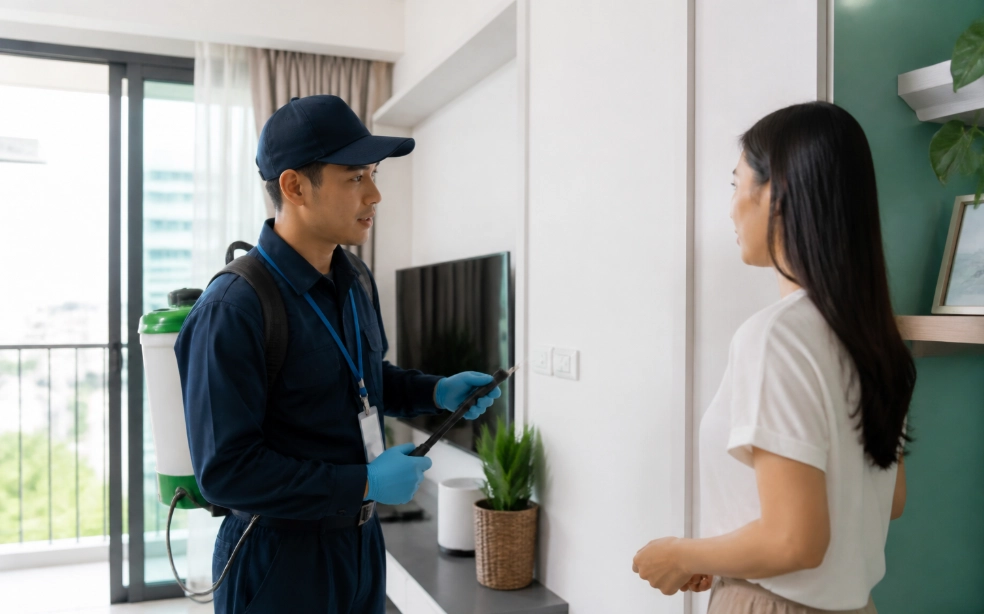
7 Clear Signs It's Time to Call a Pro
1. You've Tried DIY Twice and They Came Back
Two failed attempts. That's my personal cutoff. Store-bought sprays, baits, and traps have their place, but they're designed for surface-level infestations. If pests return after two rounds of DIY, the colony structure or entry point is beyond what consumer products can reach. Continuing to spray wastes money and gives the infestation time to spread.
2. You Hear Scratching or Skittering at Night
Rodents and larger insects (cockroaches, sometimes wasps) make audible noise. Scratching in the walls at dusk or dawn usually points to mice or rats using wall voids as highways. Squirrels in the attic sound different—heavier, with chewing. By the time noise is audible, the animal has established a runway. Snap traps alone won't fix the entry point.
3. You See Droppings (Anywhere)
Mouse droppings near the stove. Cockroach frass in the back of a cabinet. Termite pellets that look like tiny sawdust piles. Droppings mean pests are comfortable enough to stay. That comfort level usually indicates a breeding population nearby. The EPA's safe pest control guidance notes that rodent droppings carry pathogens, so handling them without proper protection is genuinely risky.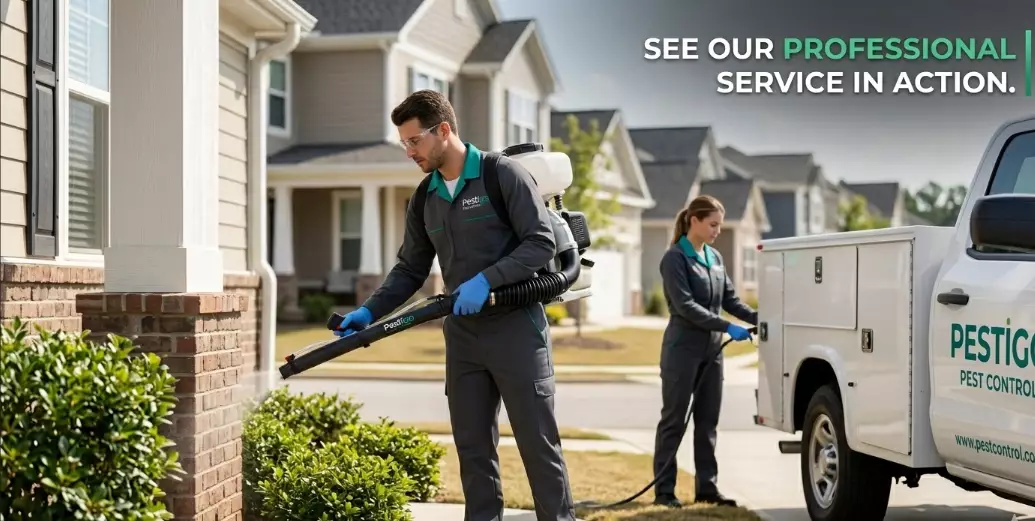
4. You Spot Damage to Wood, Wires, or Insulation
Chewed electrical wires. Hollow-sounding baseboards. Tunnels in the insulation. This goes beyond annoyance—it's structural and safety territory. Rodent-chewed wiring is a documented fire hazard. And termite damage is rarely visible until the wood fails under pressure. A professional inspection can differentiate between old damage and active feeding. That difference matters.
5. The Pest Is One You Cannot Safely Handle
Wasps, hornets, and yellow jackets near a doorway. Black widows in a garage corner. A bat in the attic (bats are protected in many regions and require specific exclusion methods). These aren't DIY-friendly. CDC data consistently links stinging insect reactions to emergency room visits, especially for children and the elderly. A pro has the gear, the training, and the local regulations knowledge.
6. You Live in a Multi-Unit Building
Bed bugs and cockroaches travel through shared walls and plumbing. Treating one unit while the neighbor's unit stays infested is a wired game. Professionals who specialize in multi-family housing use coordinated treatment plans across units. Without that coordination, reinfestation is almost guaranteed.
7. You're Selling or Buying a Home
Most mortgage lenders and real estate contracts require a pest inspection (specifically for wood-destroying insects) in many states. A professional report gives you documented clearance. A DIY visual check doesn't hold legal weight. If you're in this situation, the timing isn't about pests—it's about paperwork and liability.
Quick rule of thumb: If you've spent more than $50 on DIY products and the problem persists, a professional assessment typically costs $150–$300 and saves you from that spending spiral.
DIY vs Professional: What Actually Works
I'm not anti-DIY. I've used glue traps in a garage and sealed more cracks than I can count. But there's a clear split between maintenance and intervention.
| Scenario | DIY Adequate? | Why a Pro Is Better |
|---|---|---|
| A few ants near a door | Sometimes | If bait is placed correctly and the trail is fresh; otherwise the colony survives |
| One mouse caught | Yes, short-term | Doesn't address entry points or the rest of the family |
| Cockroaches in kitchen | Rarely | Gel baits work but require precise placement; pros have professional-grade formulations |
| Termites | No | Requires trenching, baiting systems, or liquid barriers—licensed and regulated |
| Bed bugs | No | Heat treatment or targeted insecticides; misapplication worsens spread |
| Wasps/hornets | Risky | Protective gear and evening treatment when the colony is calm |
What Happens During a Professional Pest Inspection
I tagged along on a few inspections in older homes. The process is more diagnostic than most people expect.
- Exterior perimeter walk: The tech checks foundation cracks, dryer vents, utility penetrations, and roofline gaps. A lot of infestations are traced to a 1/4-inch gap that nobody noticed.
- Interior zone mapping: They look behind appliances, under sinks, in closets, and along baseboards. They're not just looking for pests—they're looking for conditions: moisture, food debris, warmth.
- Species confirmation: Different pests need different treatments. A bait for ants can actually attract other ant species. Identification is non-negotiable.
- Treatment plan: You'll get a written scope. Ask whether it includes follow-up visits and what the warranty covers. Some companies offer a 30- to 90-day callback period.
A real example: A homeowner in a 1980s ranch house saw what looked like sawdust near a window frame. Pest control companies typically identify that frass as drywood termite pellets. The inspection found active galleries in two exterior walls. Because the homeowner called when the frass appeared (rather than waiting for swarmers), treatment was localized and cost around $1,200 instead of a full-tent fumigation that could have run $3,000 or more.
Real Cost Breakdown (With Numbers)
Costs vary by region and pest type. These figures reflect what I've seen quoted in mid-size U.S. metro areas for standard single-family homes:
| Pest Type | Typical Inspection Fee | Treatment Range | Notes |
|---|---|---|---|
| Ants or roaches | $150–$250 | $200–$500 | Often includes a 30-day callback |
| Rodents | $150–$300 | $300–$800 | Exclusion work (sealing entry points) adds cost |
| Bed bugs | $200–$400 | $800–$2,500 | Heat treatment runs at the higher end |
| Termites | $100–$300 | $500–$3,000 | Depends on liquid barrier vs bait system; fumigation exceeds $3,000 |
| Wasps/hornets | $100–$250 | $150–$400 | Emergency or same-day visits may carry a surcharge |
Ask about the callback policy in writing. A company that offers a 90-day free re-treatment is signaling confidence in their work. That's a better indicator than a fancy truck wrap.
After Treatment: How to Prevent Reinfestation
Treatment is the start, not the finish. Pest control professionals almost always tell you the same thing: remove the conditions that attract pests, or they'll come back.
My shortlist of things that actually make a difference:
- Fix moisture first. Leaky pipes and dripping AC lines create the humid environment that roaches and silverfish love.
- Seal entry points. Copper mesh and expanding foam for gaps around pipes. Weatherstripping for doors. This is tedious but not complicated.
- Store food in hard containers. Bags and cardboard are chewable. Rodents and pantry moths exploit both.
- Reduce clutter near the perimeter. Woodpiles, leaf litter, and heavy mulch against the foundation create pest highways.
- Schedule a follow-up. Even if you don't see anything after two weeks. Pests are good at hiding. A quick callback inspection catches problems early.
Straight Answers to Common Questions
I see a few ants every morning on the kitchen counter. Is that enough to call a professional, or should I wait?
A consistent morning trail is a sign of a satellite colony feeding regularly. Try a single bait station placement near the trail. If ants are still there after five days, the bait is being ignored or the colony is too large. At that point, a professional inspection saves you from buying every bait product on the shelf. What most people miss: ant species identification matters. Grease-loving ants and sugar-loving ants respond to different baits, and using the wrong one can make the problem worse.
I found one mouse in a glue trap. Do I really need to pay for an inspection?
One mouse is rarely one mouse. A single female can produce litters of six to eight pups every two to three months. The glue trap caught a juvenile, which often means there's a nest nearby. Walk your exterior walls and look for gaps the width of a pencil. If you find more than two entry points or see droppings in more than one room, an inspection is worthwhile. The cost of sealing entry points is almost always less than replacing chewed insulation later.
My landlord says pest control is my responsibility. Is that typical?
It depends on the lease and local law. In many states, landlords are legally required to maintain habitable conditions, which includes pest-free units in multi-family buildings. Bed bugs and rodents often fall on the landlord. If you're renting and the problem is structural, request the inspection in writing. A professional's written report carries more weight than a tenant's email and forces the conversation.
The pest control company offered a quarterly plan. Is that necessary, or just upselling?
Quarterly plans make sense for ongoing prevention in high-risk areas (older homes, crawl spaces, multi-unit buildings). For a one-time ant or spider issue that's been resolved, a quarterly contract is usually overkill. Tell them you want a one-time treatment first. If they push the plan before even inspecting, that's a sales tactic. The inspection should come first, always.
Related
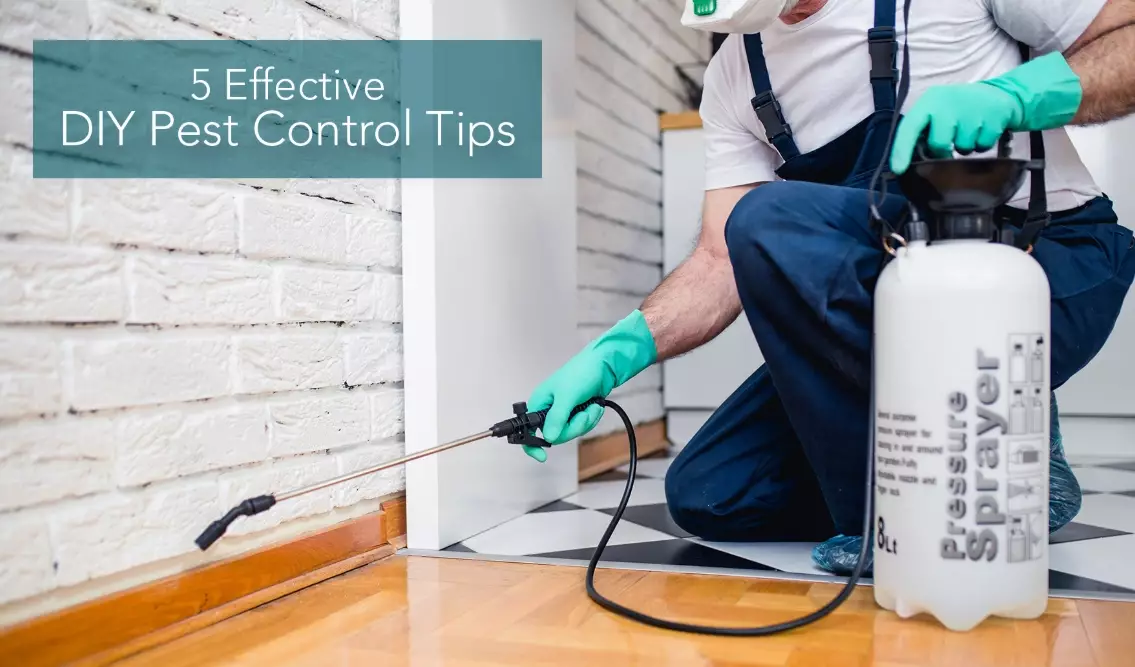
DIY Pest Control Safety: 7 Mistakes That Make You Sick
Wondering if your DIY pest control could actually harm your family? I share real mistakes I made with borax, bleach, and rodent bait, plus the safety rules I now follow before mixing anything.
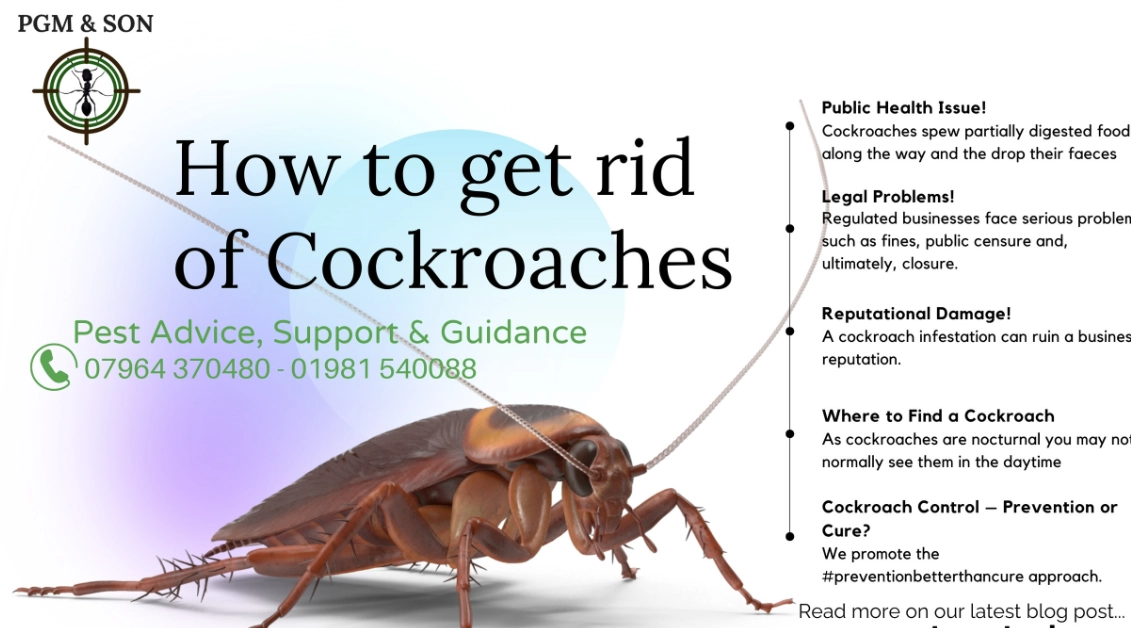
How to Get Rid of Cockroaches Fast: A Pro's Step-by-Step Guide
Wondering how to get rid of cockroaches without wasting money on failing traps? After a decade in pest control, I share the exact baiting map, gel placement tricks, and sealing steps that actually wipe out German and American roaches for good.

Natural Pest Control Remedies: 7 DIY Solutions That Actually Work
Tired of harsh chemicals but still swatting flies at midnight? Discover 7 natural pest control remedies I've tested at home—from diatomaceous earth to nematodes—plus what actually fails and why.
Comments