How to Get Rid of Cockroaches Fast: A Pro's Step-by-Step Guide
What's in This Guide
I've been in pest control for over ten years, and I still get the same text from friends: "How to get rid of cockroaches?" The answer isn't one product. It's a sequence. Skip a step, and you'll be fighting the same roaches six months later. I've seen it in apartments, restaurants, and even a suburban home with a spotless kitchen. The roaches don't care about clean. They care about access.
Before I give you the full plan, let me flag a common mistake. Most people buy a fogger or a spray from the hardware store, blast the baseboards, and call it done. That's the worst move. Foggers scatter roaches into walls and cabinets, making the infestation harder to reach. I've watched a single fogger turn a small German roach issue into a full-blown evacuation. So put the can down. Let's do this right.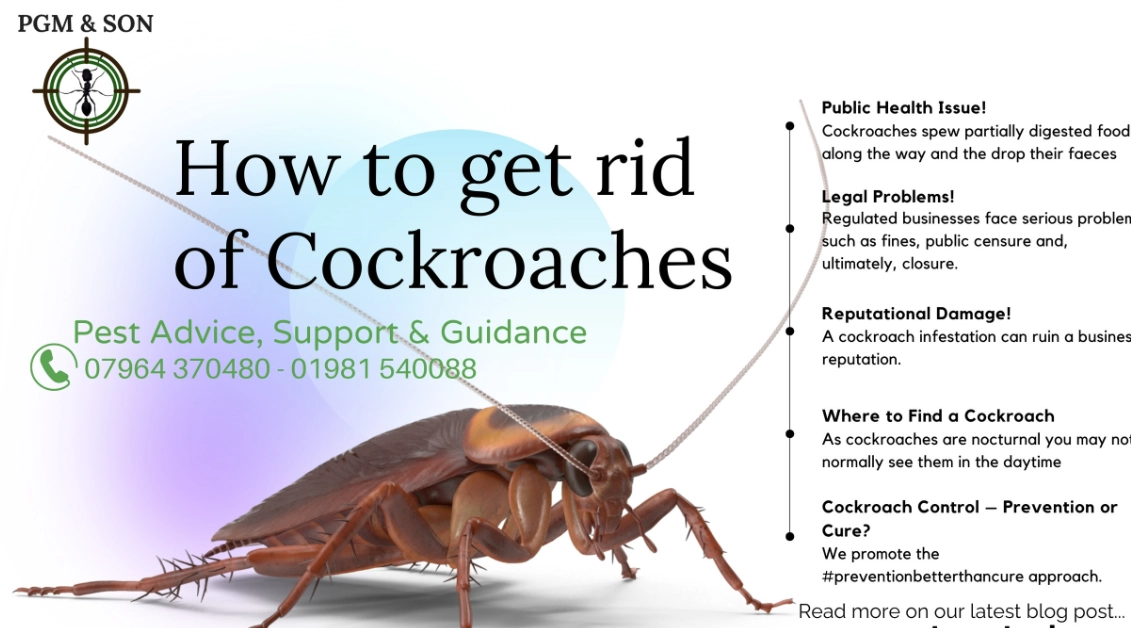
Identify the Roach Before You Treat
Not all roaches are the same. The treatment for a German roach (the small, brown, fast-breeding one in kitchens) differs from what you'd use on an American roach (large, reddish-brown, often in basements or drains). I made this table based on my field notes. It'll save you from buying the wrong bait.
| Roach Type | Where I Find Them | Best Baiting Spot | Key Difference |
|---|---|---|---|
| German | Behind fridge, inside cabinet hinges, near dishwasher | Gel bait in corners and crevices | Breeds fast; a single female can create hundreds in months |
| American | Basement drains, sewer lines, under sinks | Granular bait near drain openings | Larger; often enters from outside through pipes |
| Oriental | Damp crawlspaces, leaky pipes | Glue boards with bait | Prefers cool, wet areas; slower breeding |
The Baiting Map That Actually Works
Here's the trick most DIY guides miss. Gel bait works only if you place it where roaches already walk. I don't mean a dot here and there. I mean a map.
In one kitchen I treated last year, the homeowner had put bait along the baseboard. No effect. I pulled out the fridge and found the roach highway: a warm strip along the compressor. I placed four pea-sized dots of gel bait there. Within a week, the activity dropped by half. Within two weeks, it was gone.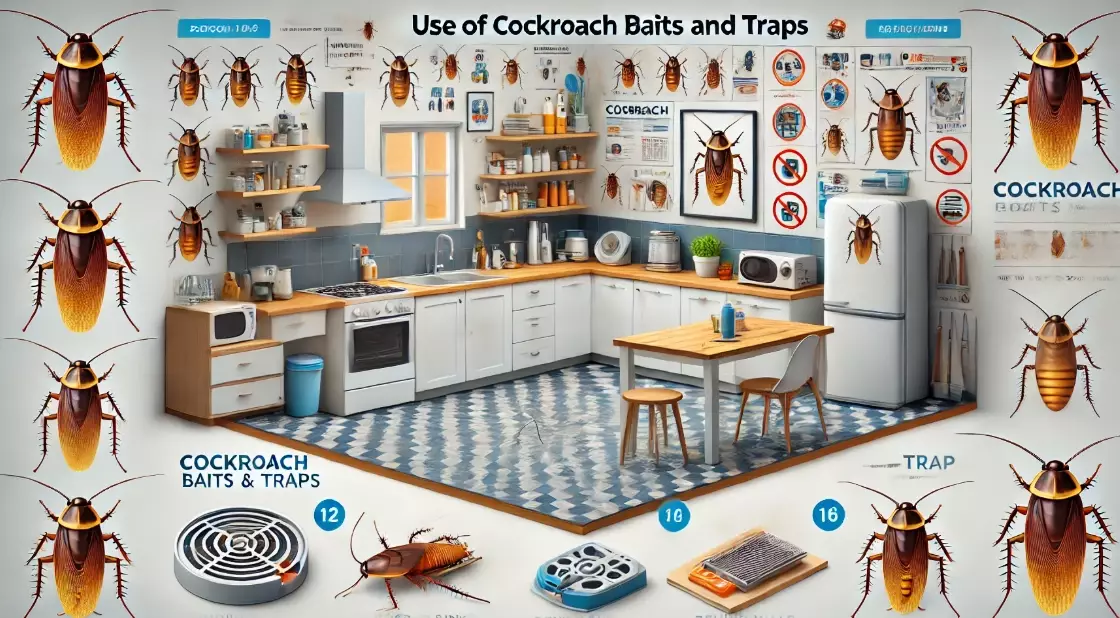
Here's my standard baiting grid for a typical kitchen:
- Fridge compressor area (back and bottom corners)
- Inside cabinet hinges (the hinge pin is a roach magnet)
- Under the sink (around the pipe entry)
- Behind the dishwasher (if you can pull it out slightly)
- Wall outlets (place a dot next to the plate, not inside)
Also, don't mix gel bait with spray in the same area. That's another non-consensus point. The spray residue can make roaches avoid the bait. I learned that the hard way in a restaurant kitchen–sprayed the baseboard, then baited, and the roaches vanished from the baited spots. They moved to the other side of the room. So either use bait or use spray, not both in the same zone.
Seal Every Entry Point
Bait kills the roaches inside. Sealing keeps new ones out. But most people seal the obvious cracks and miss the ones that matter. Here's what I check:
- Under the kitchen door (if you can see light, roaches can squeeze through)
- Pipe penetrations (where the sink drain goes into the wall, use steel wool, not caulk)
- Behind the dishwasher (the gap is often larger than you think)
- Baseboard corners (especially in older homes where the wall meets the floor unevenly)
I carry a tube of paintable silicone caulk and a roll of copper mesh. Copper mesh works better than steel wool because it doesn't rust. Stuff it around pipes, then caulk over it. That's a trick I picked up from an old-timer who sealed a hotel kitchen in the 90s. Still works.
Natural Cockroach Repellent: What Works
You'll see a lot of advice online about bay leaves, cucumber peels, and essential oils. Let me be straight. Most of that is useless. Roaches don't care about cucumber. They walk right over it.
Here's what I've found to have some effect, especially as a deterrent after you've baited:
- Peppermint oil on cotton balls near entry points–the strong scent does seem to discourage them from crossing.
- Diatomaceous earth (DE) in dry, hidden areas. It's a powder that damages their exoskeleton. I use a bulb duster to apply a thin layer behind the fridge and under the sink. But don't overdo it–roaches avoid thick piles.
- Borax and sugar bait (a DIY mix) works, but it's slow. I only recommend it if you have pets or kids and can't use gel bait in certain spots.
One thing I don't recommend: ultrasonic plug-in repellents. I tested three brands in a rental unit. The roaches nested right next to the device. Save your money.
When to Call a Cockroach Exterminator
If you've baited, sealed, and cleaned, and you still see roaches during the day, it's time to call a pro. I say "during the day" for a reason. Roaches are nocturnal. Seeing them in daylight means the population is crowded and they're being pushed out. That's a sign of a heavy infestation.
Also, if you live in an apartment building, DIY only goes so far. You can treat your unit, but roaches travel through shared walls. I've seen a single untreated unit keep an entire floor infested for months. Talk to your landlord. If they won't act, a professional can use growth regulators and targeted sprays that are more effective than anything you can buy retail.
Cost check: A professional treatment for a standard apartment runs $150 to $300. A DIY kit (gel bait, caulk, DE, duster) costs about $60. If you're dealing with German roaches, the DIY route often works if you're thorough. For American roaches coming from outside, it might be a recurring issue that needs a pro's exclusion work.
FAQ: Real Questions From the Field
One last thing. Don't ignore the bathroom. I've seen roach infestations that started in a leaky bathroom pipe and spread to the kitchen. Fix drips. Caulk the tub edge. Roaches need water more than food. Remove the water source, and you've already won half the battle.
This guide is based on field experience and verified against standard pest control references, including guidelines from the National Pest Management Association and university extension entomology departments.
Related
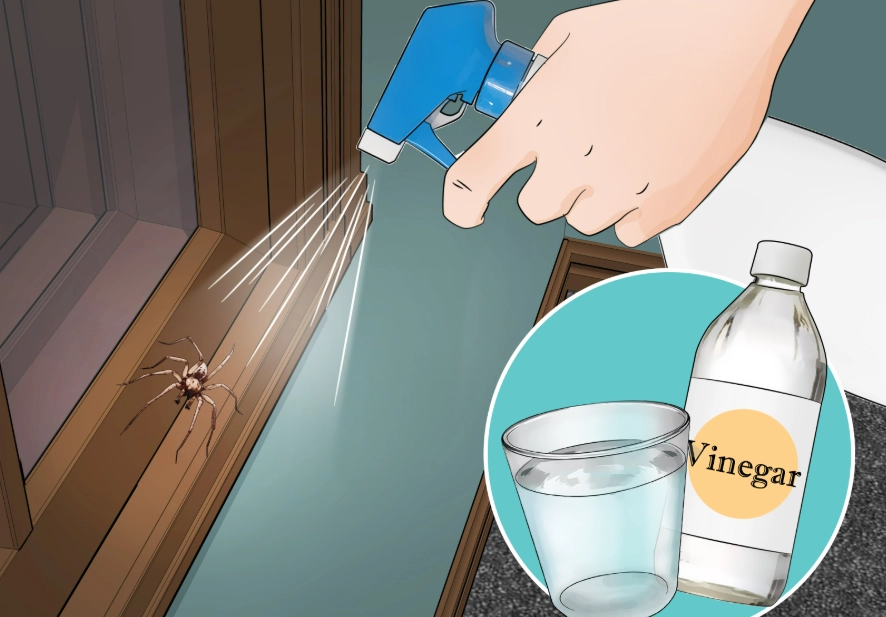
How to Get Rid of Spiders Fast: 7 Proven Steps That Work
Wondering how to get rid of spiders without turning your home into a chemical zone? Here's a practical, field-tested plan covering entry points, natural repellents, traps, and when to call a pro.
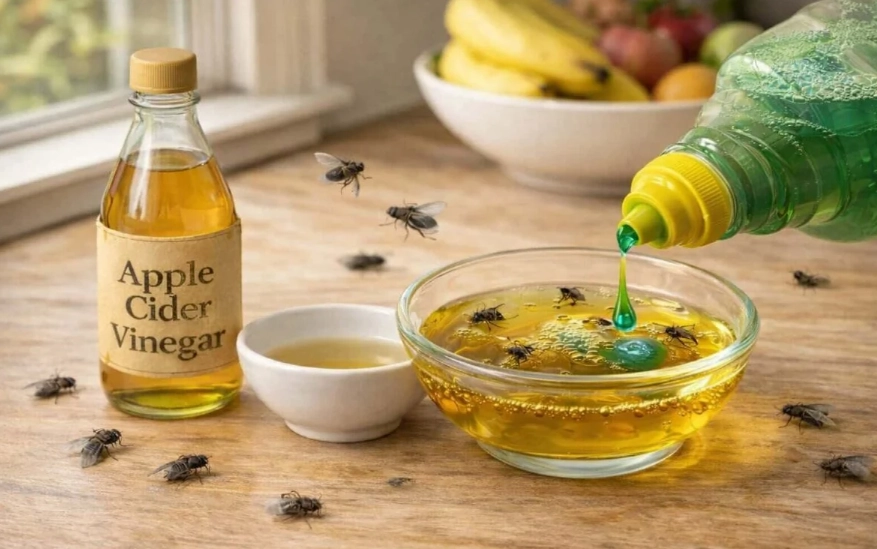
How to Get Rid of Fruit Flies Fast: A Proven 3-Step Plan
Wondering why fruit flies keep coming back even after you clean? Learn how to get rid of fruit flies at the source, build a better DIY trap, and stop reinfestation for good.
How to Get Rid of Wasps Fast: Safe Nest Removal Guide
Worried about a wasp nest near your door? How to get rid of wasps without getting stung is simpler than most people think. Here's the exact method I use, including timing, sprays, and the one mistake that sends them into attack mode.
Comments