How to Get Rid of Termites Fast: A Pro's Field Guide
I've pulled apart a lot of termite-damaged baseboards. Slid on my back through more crawlspaces than I care to remember. And the first time I found a swarm party on a window sill, I did exactly what most homeowners do: panic, then spray it with whatever was in the garage. That made it worse. So here's the honest version of how to get rid of termites, based on what actually works, not what the label promises.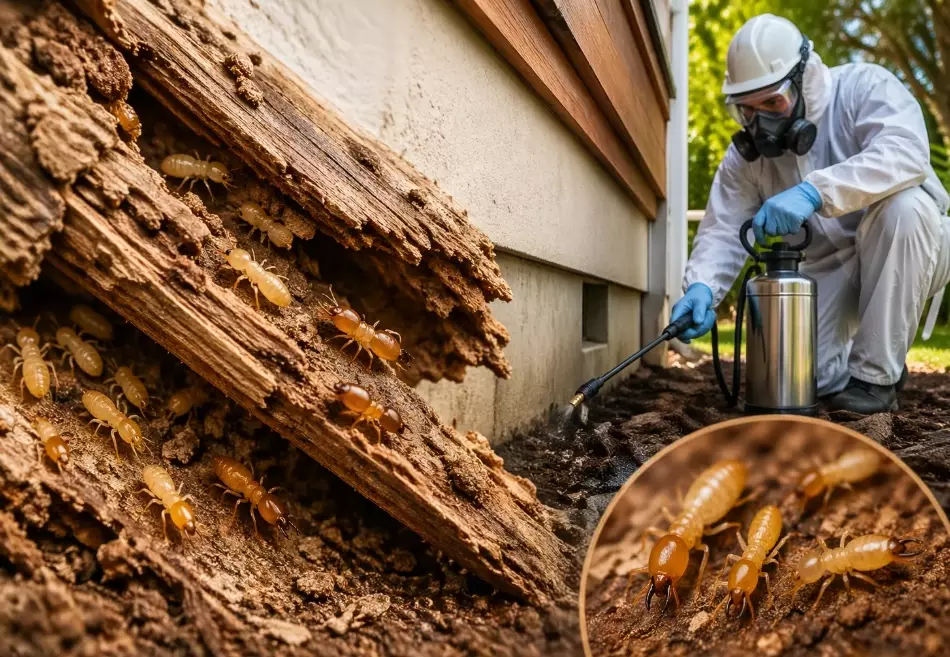
What's inside — tap to jump
What Most People Get Wrong About the Signs
Everyone knows the classic mud tubes on the foundation wall. What most folks miss: they only show up when the colony is already big and hungry. I've opened walls that looked spotless outside and found a thin, papery layer of wood inside — the termites had been eating from the center out for two years. Drywood termites don't even build tubes; they push out tiny hexagonal pellets that feel like fine grit on the floor under furniture.
Walk the foundation at dusk with a flashlight. Look for dirt that seems to appear out of nowhere. Put your ear near a suspect wall — a faint ticking or rustling is the sound of soldiers banging their heads to warn the colony. And check the base of any door frame that's suddenly sticking. Swelling happens before visible damage shows up.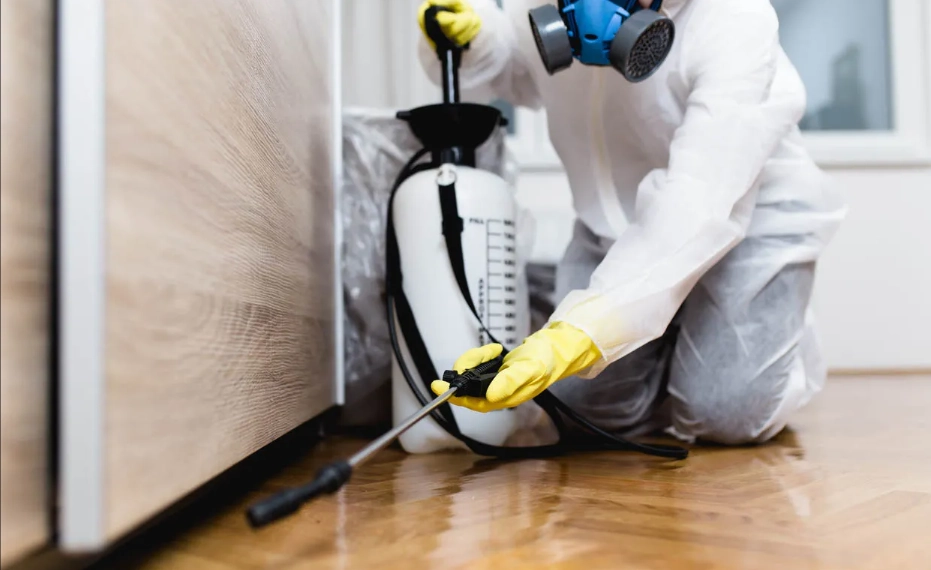
Termite Treatment Options: Bait vs. Liquid vs. Fumigation
This is where I see homeowners waste money. Let me lay out the three real options and what each one costs you in time and dollars.
| Method | How it works | Typical professional cost | Best for |
|---|---|---|---|
| Bait stations | Slow-acting toxicant in an in-ground stake; foragers carry it back and feed the whole colony | ~$1,000–$2,500 installed, plus $250–$450 per year to maintain | Subterranean termites, long-term prevention |
| Liquid barrier | Trench around the foundation with a termiticide like fipronil; creates a treated soil zone | ~$800–$1,500 depending on linear feet | Active subterranean colonies, new construction |
| Fumigation | Tent the entire house and flood it with a gas that kills everything inside | ~$2,500–$5,000+ for an average home | Drywood termites only (and severe infestations) |
Fumigation is the blunt instrument. It kills every drywood termite in the structure, but it does nothing for the soil underneath. If you have subterranean termites (the most common and destructive kind), fumigating the house is a waste of money. I've watched a homeowner pay for a tent and then see tubes reappear on the foundation six months later. Bait is slower — expect three to six months before you see real population drops — but it does reach the queen. Liquid barrier is fast and durable, but it needs re-treating every five to ten years.
DIY or Call a Pro? The Honest Math
I'm a fan of saving money. But here's the uncomfortable truth I had to swallow: over-the-counter sprays sold at hardware stores don't kill a colony. They kill the workers you hit directly. The colony responds by sending more. You might notice a week of quiet, then nothing — because the smart termites moved deeper into the wall.
DIY makes sense in exactly two situations: a tiny drywood infestation in a single piece of furniture (you can spot-treat with boric acid or inject a foam), or as a supplement after a professional treatment to keep an eye on things. If you found mud tubes, if the damage is structural, or if you're dealing with swarm season, call a licensed pro. The math is simple: a $1,800 treatment beats a $15,000 foundation repair.
How to Get Rid of Termites: Step-by-Step Plan
Here's the sequence that I walk every homeowner through. It's the same order the pros use.
- Confirm it's termites, not ants. Termites have a thick waist and straight antennae; ants are pinched and bent. A $5 magnifier solves this in seconds.
- Map the activity. Grab a notepad. Note every tube, every pellet pile, every soft baseboard. Take photos with your phone so you can tell if the problem grows.
- Get a professional inspection — not a sales pitch. A good termite inspector will get on their hands and knees in the crawlspace. The termite inspection report should include: species ID, whether it's active or historical, and the recommended treatment with a written quote. Avoid any inspector who won't show you the actual evidence in person.
- Fix moisture first. Termites need water like you need coffee. Repair leaky downspouts, clear the grading around the foundation, and check for dripping AC condensate lines. A plumber's $200 fix can make the whole house less attractive to termites.
- Choose a treatment and follow through. If you go with bait, monitor the stations every 30 days for the first few months. If you go with a liquid barrier, don't dig or plant within 18 inches of the foundation for a year — that's the easiest way to break the treated shield.
- Sign the annual inspection contract. I know, it feels like a subscription. Do it anyway. Termites can re-invade through a crack the width of a credit card, and the warranty usually covers re-treatment if they come back.
Keeping Them Gone: The Cheap Stuff That Works
After the main treatment, I tell people to do the boring stuff. It's not glamorous, but it's what actually stops the next colony.
- Keep soil at least four inches below the top of the foundation. Even an inch of hidden soil gives termites a covered highway.
- Move firewood piles, mulch bags, and cardboard boxes at least three feet away from the house. I've pulled termites out of a stack of Amazon boxes left on a porch for a month.
- Use a rock or rubber mulch ring around the foundation instead of wood mulch. Same look, zero termite snack.
- Check the moisture meter you can buy at any garden center — poke it into baseboards near bathrooms and laundry rooms. Anything reading above 20% is a red flag.
Swarm season is the time to be extra careful. When you see the winged ones, they're not the danger — the danger is what's already in the ground. I've learned that keeping a cheap digital humidity meter in the crawlspace has saved me more money than any one treatment.
Straight Answers to the Weird Questions
This article was fact-checked against published termite biology resources and EPA-approved termiticide regulations. Prices reflect typical U.S. metro markets and vary by region and linear footage.
Related
When to Call a Pest Control Professional: 7 Signs You Shouldn't Ignore
Wondering when to call a pest control professional instead of reaching for a DIY spray? Discover the 7 warning signs that mean it's time to bring in an expert, plus what happens during a professional inspection and how much it really costs.
How to Get Rid of Cockroaches Fast: A Pro's Step-by-Step Guide
Wondering how to get rid of cockroaches without wasting money on failing traps? After a decade in pest control, I share the exact baiting map, gel placement tricks, and sealing steps that actually wipe out German and American roaches for good.
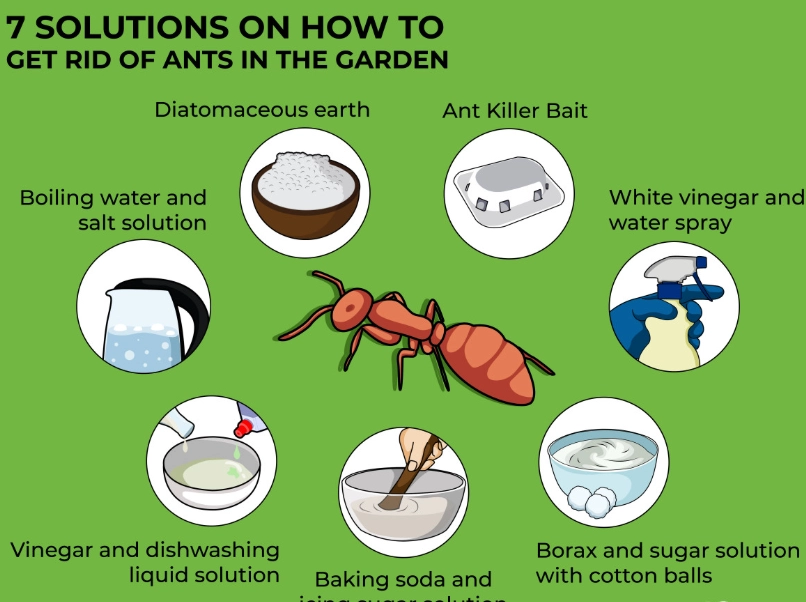
How to Get Rid of Ants Naturally: 7 Proven Fixes That Work
Wondering how to get rid of ants naturally without drenching your kitchen in toxins? Here's what actually worked after years of trial, including bait mistakes to avoid and the one pantry item that keeps them out for good.
Comments