How to Get Rid of Fruit Flies Fast: A Proven 3-Step Plan
Here's the shortcut plan I actually use
If you want to know how to get rid of fruit flies, the short answer is this: don't chase the adults around the sink. Find the wet organic film where they lay eggs, remove it, then trap the survivors. I've done this in rental kitchens with taped-up windows and in clean-looking apartments where the source turned out to be a mop bucket. The three steps below are the ones that actually end the cycle.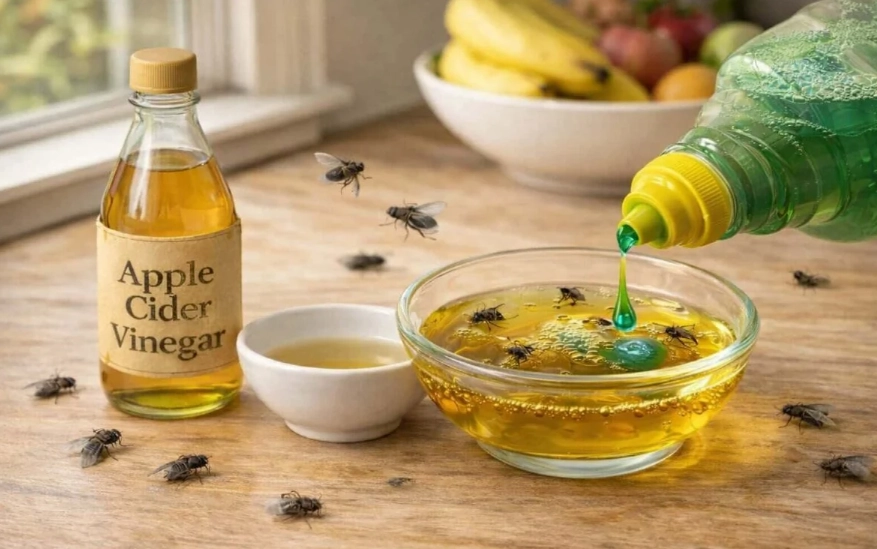
Why Fruit Flies Keep Showing Up
Fruit flies don't need a rotting fruit bowl. They need moisture plus a thin layer of fermenting organic matter. That can be the sludge ring under a blender, a damp sponge, a recycling bin with dried juice, or the rubber seal of a fridge. I once found a healthy breeding site inside a decorative vase that held cut flowers for a week too long.
A single female can lay hundreds of eggs in her lifetime, and the whole egg-to-adult cycle can finish in roughly a week in warm indoor conditions. So when you swat a few adults and call it done, you're often just seeing the next generation. This is the part most generic guides skip: the adults are a symptom, not the source.
Non-consensus tip: If the flies hang around one specific cabinet or plant pot instead of the kitchen sink, suspect a slow leak or overwatered soil rather than fruit. Chasing the wrong room wastes days.
Step 1: Find and Kill the Breeding Site
Work through this checklist in one pass. It takes about twenty minutes and beats any spray.
| Location | What to Look For | Fix |
|---|---|---|
| Garbage disposal | Dark film on the flap and inner walls | Scrub with a brush; flush with hot water and vinegar |
| Recycling bin | Sticky juice residue at the bottom | Rinse outdoors; dry fully before lining |
| Mop and bucket | Damp mop head stored in a closet | Wash with bleach solution; air-dry outside |
| Fridge drip tray | Standing water behind or below the unit | Empty and clean the tray; check the drain hole |
| Houseplants | Soggy soil and fungus gnat activity | Let the top inch dry; use sticky stakes |
| Reusable produce bags | Crumbs and moisture trapped in seams | Launder or discard the bag |
Pull out appliances and look at the floor underneath, too. I've seen a single forgotten potato sprouting behind a microwave drawer generate a full week of flies. Once the site is gone, the population drops fast.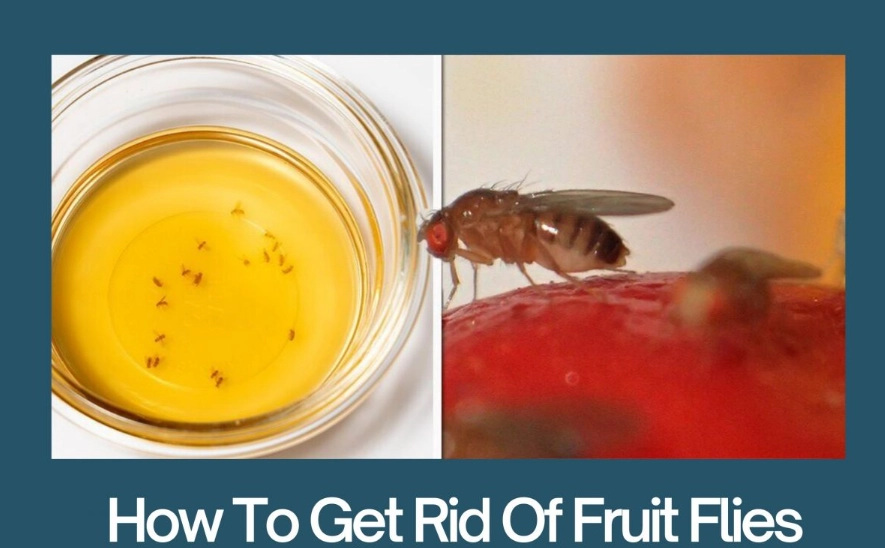
Step 2: Build a Trap That Actually Works
Store-bought traps are fine, but the cheap version works just as well when built correctly. The mistake I see most often is using a wide-mouth bowl with no funnel. Flies land, feed, and leave. You need an entry they can't easily find on the way out.
Materials and setup
- Jar or cup: a small glass jar or plastic cup works.
- Bait: two tablespoons of apple cider vinegar plus one drop of dish soap. The soap breaks surface tension so flies sink instead of floating.
- Funnel: a paper cone taped over the rim with the narrow end pointing down. A small hole (about the width of a pencil) is enough.
- Placement: set it within a few feet of the breeding area, not across the room.
Change the bait every two days. Old bait loses its pull and starts growing its own larvae, which defeats the purpose. For a heavier infestation, set two or three traps in different spots rather than one giant trap.
What about sticky traps and sprays?
Yellow sticky traps catch adults but don't reduce the source. Aerosol sprays knock down visible flies but leave eggs untouched and add unnecessary chemical load in a food area. Use them as a last resort, not a first move. If you have pets or small kids, skip the spray entirely and lean on physical removal and traps.
Step 3: Stop the Next Wave
Cleanup kills the current generation. Prevention stops the next one. These habits matter more than any product.
- Rinse containers before recycling. A quick rinse removes the sugar film flies feed on.
- Store produce in the fridge or sealed containers. Ripe fruit on the counter is a magnet, especially in summer.
- Take out the trash nightly in warm months. Don't let a bag sit overnight next to the door.
- Wipe the sink and disposal after cooking. A dry sink is a hostile sink for fruit flies.
- Check incoming produce. Flies and eggs can arrive on bananas or tomatoes from the store. A quick rinse and a look at the bag helps.
One habit I picked up from a restaurant kitchen: keep a small spray bottle of white vinegar and water near the sink and hit the drain area after dinner. It's not a pesticide, but it cuts the film that larvae need.
Fruit Fly vs Gnat: Quick Check
People often mix these up, and the fix is different. Fruit flies are tan or brown with red eyes and slow, drifting flight. Fungus gnats are darker, thinner, and hover near soil. If the flies cluster around a plant pot rather than the kitchen, treat the soil, not the fruit bowl. Getting this wrong wastes a week of trap-building.
For authoritative background on fly biology and control, the U.S. Environmental Protection Agency and university extension programs (such as state university entomology departments) publish practical guidance worth bookmarking.
FAQ: Real-World Fruit Fly Removal
I cleaned everything and the fruit flies are still here. What am I missing?
Check the areas you never pull out: the fridge drip tray, the gap beside the stove, the bottom of a mop bucket, and the seals on reusable containers. In my experience, a persistent population almost always means a hidden moisture source, not poor cleaning. Also check houseplant soil, because fungus gnats look nearly identical to fruit flies at a glance.
Do fruit fly traps work if the infestation is already heavy?
Traps catch adults but won't outpace breeding if the source is still there. Clear the breeding site first, then set two or three traps nearby. A single trap in a heavy infestation fills up and stops working within a day, so plan to refresh the bait often.
Are there any home remedies that are a waste of time?
Wine or beer left in an open glass draws flies but doesn't trap them well, and it becomes a new breeding site if left out. Raw honey or sugar water alone does the same. The vinegar-plus-soap setup earns its reputation because the soap actually drowns them.
How long does it take to clear a fruit fly problem?
If you remove the source on day one and keep traps running, most kitchens clear within a week. Seeing a few flies after that is normal, since eggs already laid will hatch. Stay consistent for about ten days before deciding it failed.
This guide was fact-checked against entomology extension guidance and common pest-control practice.
Related
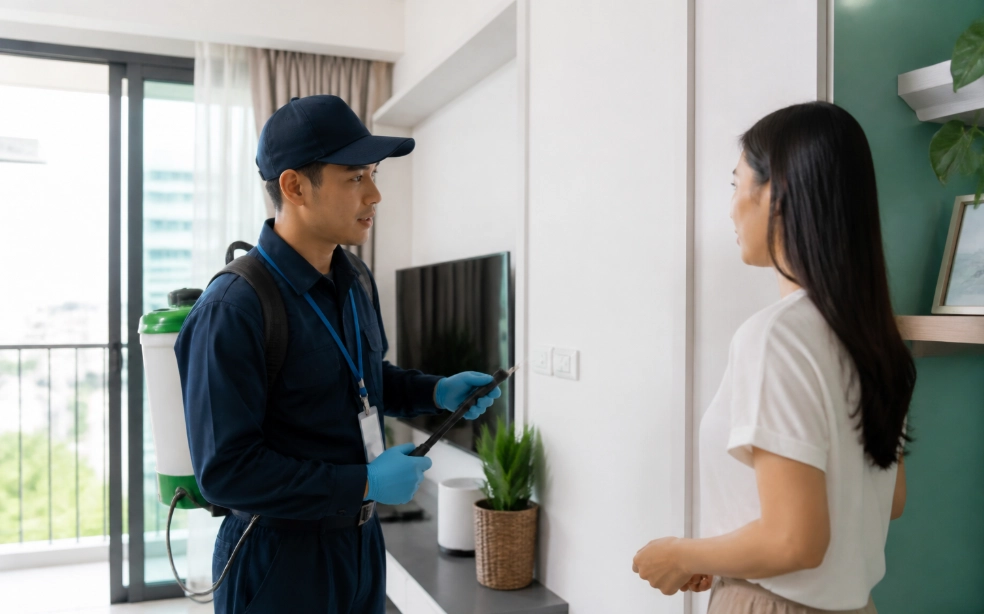
When to Call a Pest Control Professional: 7 Signs You Shouldn't Ignore
Wondering when to call a pest control professional instead of reaching for a DIY spray? Discover the 7 warning signs that mean it's time to bring in an expert, plus what happens during a professional inspection and how much it really costs.
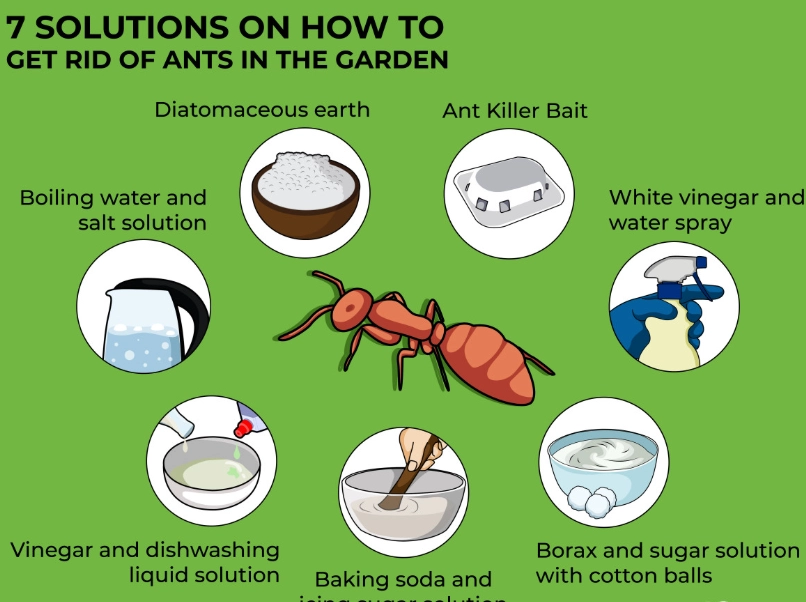
How to Get Rid of Ants Naturally: 7 Proven Fixes That Work
Wondering how to get rid of ants naturally without drenching your kitchen in toxins? Here's what actually worked after years of trial, including bait mistakes to avoid and the one pantry item that keeps them out for good.
How to Get Rid of Fruit Flies Fast: A Proven 3-Step Plan
Wondering why fruit flies keep coming back even after you clean? Learn how to get rid of fruit flies at the source, build a better DIY trap, and stop reinfestation for good.
Comments