DIY Pest Control Safety: 7 Mistakes That Make You Sick
What's in this guide (tap to jump)
I sprayed a homemade bleach mix under my kitchen sink three years ago. By that evening, I had a headache that felt like a tight band around my skull. My throat was raw. I opened every window and sat on the porch for an hour, wondering what I'd just done. That was my first real lesson in DIY pest control safety — and I've learned about six more since then. This article lists the mistakes that actually caused symptoms in my home, plus the exact safety rules I now follow before I mix anything.
Most people search for pest control safety after they've already sprayed. So let's start with what went wrong, then get to the safe method.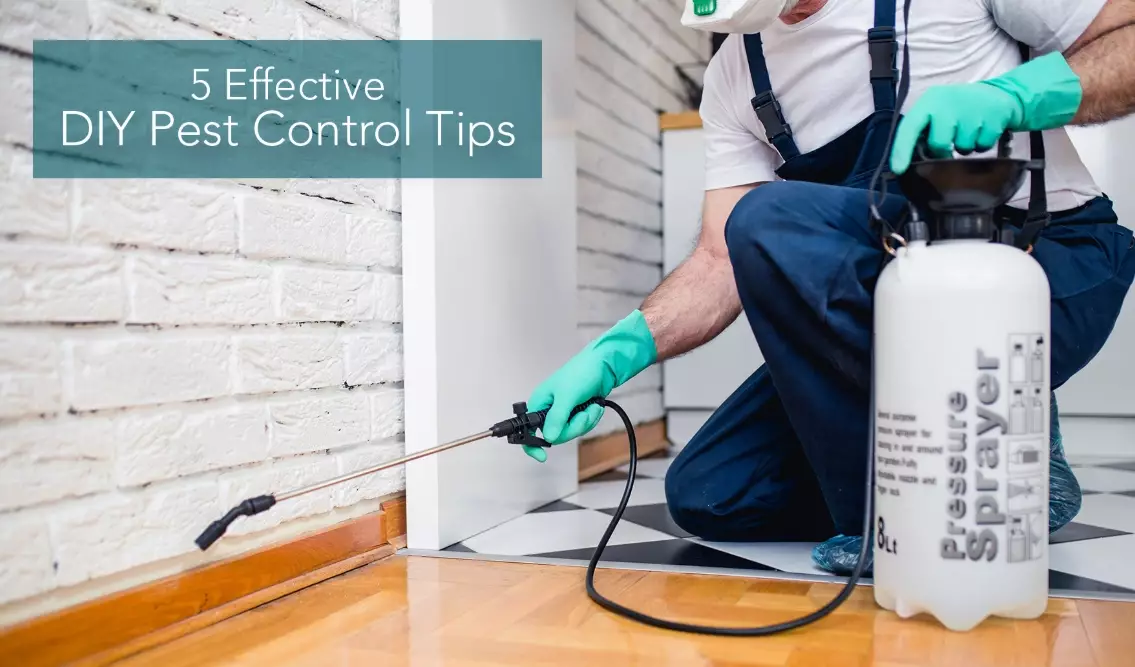
Why DIY Pest Control Safety Matters More Than Killing the Bug
A dead roach lasts a day. A chemical burn in your lungs can last a month. I learned from my own doctor visit that the human body absorbs pesticides through skin, lungs, and even the eyes — not just the mouth. The EPA's Safe Pest Control page is blunt: many DIY mixes are more concentrated than store-bought products because homeowners guess the ratios.
Here's the non-consensus part. Most guides tell you to "read the label." That's fine, but many homemade recipes (borax + sugar, bleach + water, vinegar + dish soap) don't come with a label at all. You are the label writer. That means you need to know the exact hazard before you mix.
The 7 Common DIY Safety Mistakes I Made
Each of these happened in my own home or a neighbor's. I'll list the symptom, the cause, and the fix so you can skip the sick part.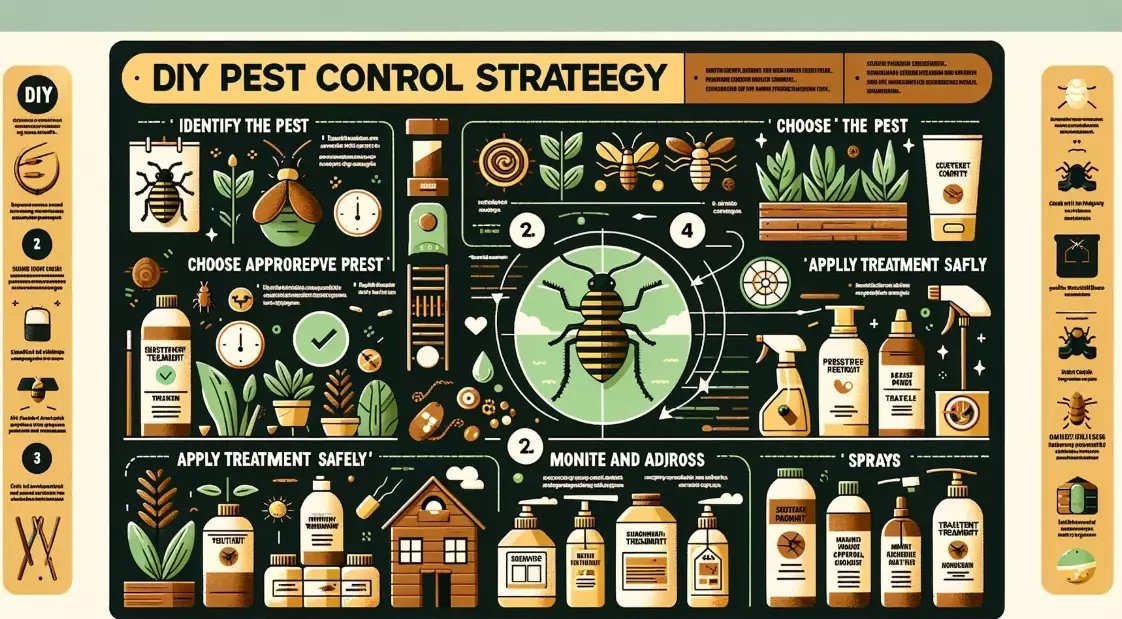
| Mistake | What Happened to Me | Exact Fix |
|---|---|---|
| 1. Mixing bleach and vinegar for ants | Chlorine gas smell, coughing fit in a 40 sq ft bathroom | Never mix. Use vinegar alone or soapy water. Open window before, during, and 20 minutes after. |
| 2. Using rodent bait blocks where my dog could reach | Dog sniffed a block. Vet bill: $280 for induced vomiting. | Bait stations only. Locked box. Place behind appliances, never open floor. |
| 3. Spraying essential oils around my cat | Cat drooled and hid for 6 hours after tea tree oil spray | Tea tree, citrus, and pennyroyal are toxic to cats. Use only cat-safe options like cedarwood in ventilated areas. |
| 4. No gloves when handling borax | Dry cracked skin between fingers for 4 days | Nitrile gloves. Borax is a skin irritant. Wash hands with cool water, not hot. |
| 5. Storing homemade mix in a water bottle | My kid almost drank it. Scary moment. | Label with a permanent marker: "PEST MIX - DO NOT DRINK" and store on a high shelf in a locked cabinet. |
| 6. Spraying outdoors on a windy day | Spray drifted back onto my face and arms. Burning sensation. | Spray only when wind is under 5 mph. Stand upwind. Wear long sleeves and eye protection. |
| 7. Re-entering the room too soon | Dizziness from lingering fumes after 30 minutes | Wait at least 2 hours for indoor sprays. Open all windows and use a fan pointing outward. |
The Bleach Mistake, In Detail
I mixed a splash of bleach with vinegar to clean ant trails on a tile floor. Within 20 seconds, my eyes watered and I started coughing. That's chlorine gas. I opened the window and left the room. The CDC's NIOSH warns that even low levels can cause airway damage. Never mix bleach with anything except water.
Pet Safety Around DIY Sprays
My neighbor's cat walked across a floor I'd sprayed with a peppermint oil mix. She started pawing at her mouth and drooling. Peppermint is fine for most dogs but risky for cats. A vet told me later that cats lack a liver enzyme to process certain essential oils. Keep pets out of treated rooms for at least 4 hours. Put their food and water bowls away before you spray.
How to Handle Pesticides Safely at Home
This is the routine I use now, every single time, even for a tiny ant spot.
- Read the whole label twice. If it's a homemade mix, write your own label with the ingredients, date, and hazard.
- Put on gear. Nitrile gloves, safety glasses, long pants, and closed-toe shoes. A simple N95 mask for powders like diatomaceous earth.
- Ventilate before you start. Open windows, turn on exhaust fans. For bathrooms, leave the door open and fan running for 30 minutes before spraying.
- Mix small amounts. Never mix more than you'll use in one day. Leftover mixes lose potency and become unpredictable.
- Store locked and labeled. A plastic bin with a lid, on a high shelf, away from food and pet areas.
- Clean up like you mean it. Wash hands and face with soap. Rinse gloves before removing. Change clothes. Shower if you sprayed overhead.
What Is the Safest DIY Pest Control for Pets and Kids?
The safest method is the one that doesn't involve a chemical at all. I'm not going to pretend a trap works for every bug. But for most common household pests, these options have the lowest risk:
- Diatomaceous earth (food grade): Safe for pets and kids once it settles. Wear a mask when applying. It's a fine powder; don't let anyone breathe it in. Apply a thin line along baseboards and behind appliances.
- Sticky traps: Zero chemicals. Place where pets can't reach. Check them daily.
- Vacuum and seal: The most underrated DIY pest control. A strong vacuum with a HEPA filter removes roaches, spiders, and ants without any spray. Seal cracks with caulk.
- Soapy water: Kills ants and wasps on contact. Mix 1 tablespoon of dish soap in a spray bottle of water. Safe on most surfaces, but test on a small spot first.
If you must use a chemical, choose a product labeled for indoor use and follow the label exactly. The National Pesticide Information Center is a free resource for checking specific ingredients.
A Real Scenario: Kitchen Roach Treatment
Last summer, I found roaches behind my microwave. Here's what I did, step by step, with safety first:
I moved the microwave and vacuumed the area. I put on gloves and glasses. I applied food-grade diatomaceous earth in a thin line along the counter edge (no piles). I placed two sticky traps under the sink. I waited 48 hours before cleaning up the powder. The roaches were gone in a week. No spray, no smell, no headache.
Quick DIY Pest Control Safety Checklist
Run through this list before you open any bottle. It takes 30 seconds and has saved me from at least two more headaches.
- Do I know exactly what's in this mix?
- Have I opened a window or turned on a fan?
- Are my gloves and glasses on?
- Are pets and kids out of the room?
- Is the container labeled with a warning?
- Do I know the first aid steps if I get it on my skin or in my eyes?
- Am I wearing long sleeves and pants (for outdoor sprays)?
One more thing. Rinse your spray bottle and nozzle outside with a hose after use. I once left a bleach mix in a spray bottle for a week and the nozzle corroded. The spray came out in a weak stream and I accidentally got it on my wrist. Now I always empty and rinse right after finishing.
DIY Pest Control Safety FAQ
What symptoms should I watch for after using a DIY pest spray in an unventilated bathroom?
Watch for a scratchy throat, headache, dizziness, or a metallic taste in your mouth. I felt a tight band around my head and a raw throat within an hour of spraying bleach in a small bathroom. Leave the room immediately, open a window, and sit outside for fresh air. If your breathing feels tight or your vision blurs, call your local poison control center. Don't wait to see if it passes.
Is it safe to use essential oil sprays around a dog that sleeps on the floor?
Depends on the oil. I keep my dog out of the room for 4 hours after any essential oil spray, then wipe the floor with a damp cloth before he comes back in. Tea tree, citrus, and pennyroyal are risky for dogs too. Cedarwood and peppermint are lower risk for most dogs but still need ventilation. Check with your vet before using any essential oil mix where your dog lies down.
Can I use a homemade borax bait near my pet's food bowl?
No. Borax is toxic to pets if they eat it. I keep all borax baits at least 6 feet away from any pet food or water bowl. Better yet, put baits in a small plastic container with a lid and cut two small holes in the side. That way, roaches get in, but your pet's tongue doesn't. Label the container "POISON."
How long do I need to stay out of a room after spraying an ant trail with a store-bought spray?
At least two hours. Most labels say one hour, but I've found fumes linger longer on a hot day or in a room without a fan. I open both a window and a door to create a cross breeze, then run a box fan pointing outward for the full two hours. I also wipe down any exposed food surfaces before using them again.
I mixed a big batch of vinegar and soap spray. Can I store it for next week?
Don't. It loses strength and the soap separates. I once used a week-old mix on a wasp nest and it only made the wasps angrier. Mix only what you'll use in 24 hours. Rinse the bottle right after and let it dry upside down. A fresh mix works better and is safer because you know exactly what's in it.
My final rule: if a DIY pest control recipe has no clear safety instructions, it's not ready for your home. Start with physical methods. Then move to the lowest-risk chemical you can find. And always, always open a window. I wish someone had told me that three years ago.
This article was fact-checked against EPA and CDC safety guidance. Every symptom and reaction described is from my own experience or a neighbor's, and the fixes are what I actually did.
Related
Pest Prevention Tips: Stop Mice & Roaches Before They Move In
Wondering why pests keep coming back even after you spray? These pest prevention tips show you the exact entry points, moisture traps, and sealing moves I use after a decade of home inspections—plus the mistakes that invite mice and roaches in.
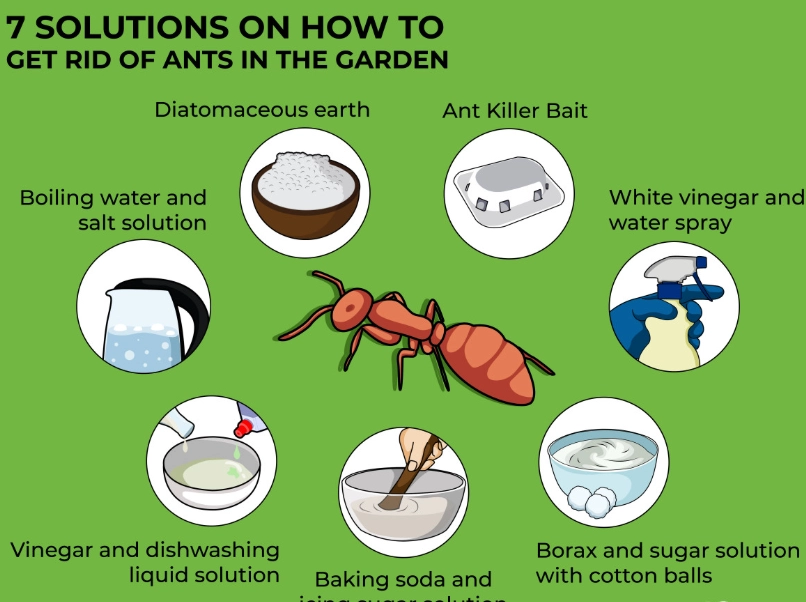
How to Get Rid of Ants Naturally: 7 Proven Fixes That Work
Wondering how to get rid of ants naturally without drenching your kitchen in toxins? Here's what actually worked after years of trial, including bait mistakes to avoid and the one pantry item that keeps them out for good.
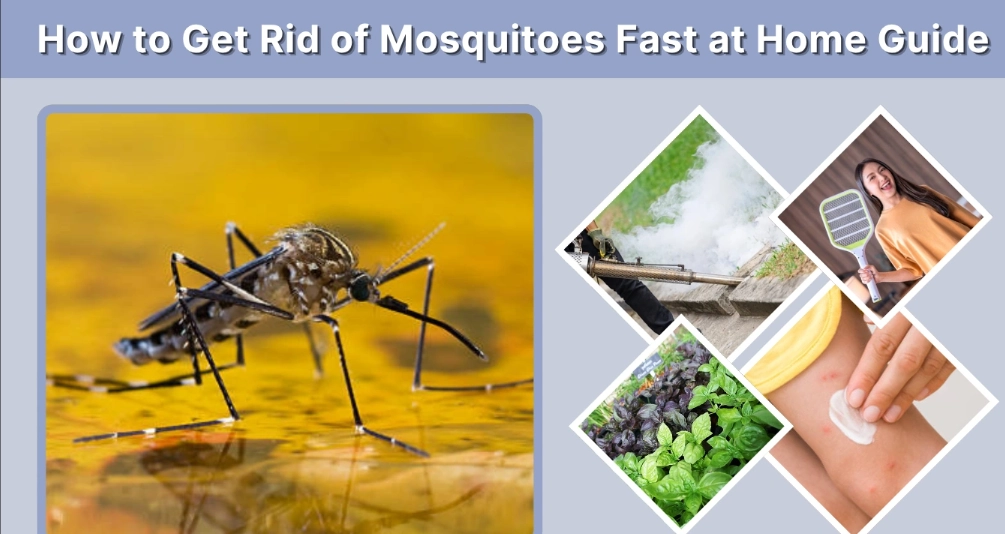
How to Get Rid of Mosquitoes Fast: Backyard Tactics That Work
Tired of mosquito bites ruining your evenings? Learn how to get rid of mosquitoes with proven backyard tactics, from eliminating breeding spots to DIY traps and plants that actually work.
Comments