Garden Pest Control: Stop Aphids, Slugs & Beetles Naturally
I’ve been fighting garden pests in my own backyard for over a decade—no landscaper, no chemical sprays, just a lot of trial and error. This garden pest control guide is the no-fluff version of what actually worked when aphids coated my kale and slugs shredded my hostas. You’ll get specific steps, timing, and the non-obvious mistakes I made so you can skip them. Let’s walk through the three pests that cause most of the heartbreak: aphids, slugs, and Japanese beetles.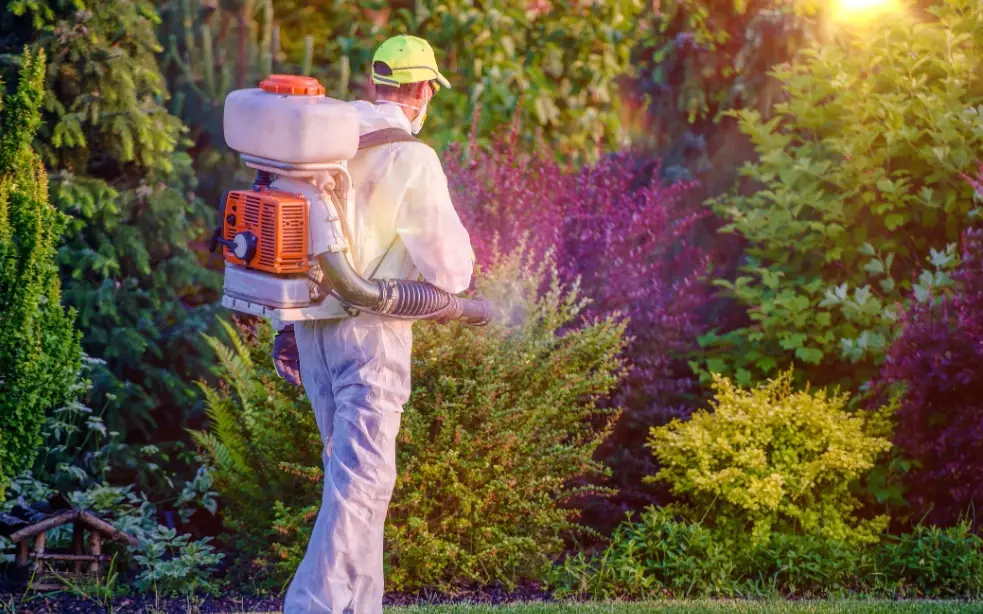
Quick Identification: What’s Eating Your Plants?
First, stop guessing. If your leaves have sticky residue and tiny green bugs underneath, that’s aphids—they cluster on new growth and excrete honeydew. Slugs leave irregular holes in the middle of leaves and a silvery slime trail; check after rain or early morning. Japanese beetles skeletonize leaves (they eat the tissue between veins), and they show up around late June in my zone 6 garden. Here’s a quick reference table I keep taped inside my shed:
| Pest | Key Sign | Active Time | Best Natural Method |
|---|---|---|---|
| Aphids | Sticky honeydew, curled new leaves | Spring–early summer | Strong water spray + ladybugs |
| Slugs | Slime trail, irregular holes | Night & after rain | Copper tape + evening hand-picking |
| Japanese beetles | Skeletonized leaves, visible beetles | Late June–July (6 weeks) | Hand-pick into soapy water at dawn |
How to Get Rid of Aphids Without Spraying Chemicals
Every spring, I used to see aphids smothering my nasturtiums. Hosing them off with a strong jet of water every morning for three days cut the population by 80%. The trick is to do it before your plants flower—aphids hide in buds. After hosing, release ladybugs at dusk (they fly away in daytime). I buy them online or from a local garden center; a pack of 1,500 covers a 10×10 ft bed. One mistake I made early on: spraying neem oil in full sun burned my zucchini leaves. Always test on one leaf first. Another non-obvious tip: ants farm aphids for honeydew. If you see ants climbing your stems, wrap a band of sticky tape (like Tanglefoot) around the trunk—it stops the ants and the aphids crash without them. This is a detail I only learned after watching a University of California IPM webinar on ant-aphid mutualism.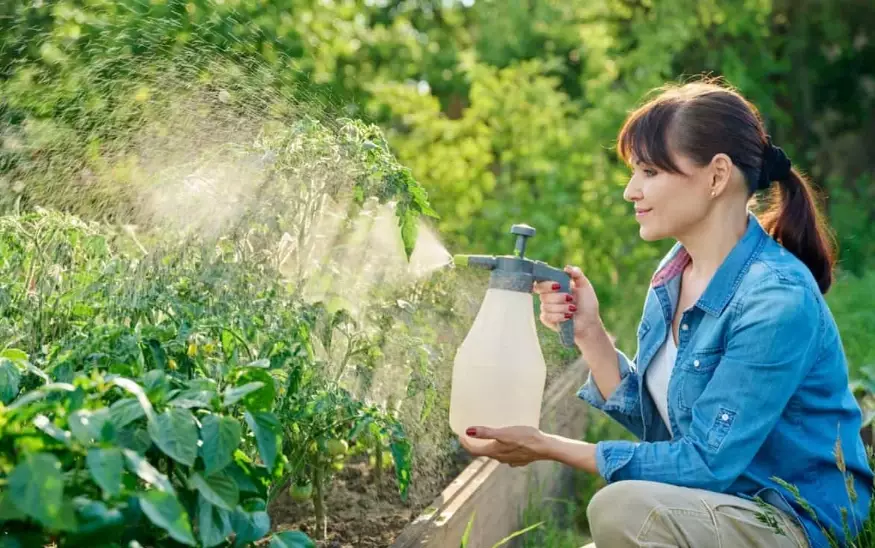
Slug Barriers That Actually Work (And What Fails)
Slugs are my personal nemesis. I tried coffee grounds—waste of time. Diatomaceous earth? Works only bone-dry, and my garden gets watered daily. What actually saved my lettuce was copper mesh tape wrapped around raised bed edges. Slugs get a tiny electric shock (they won’t cross it). I bought a 15-foot roll for about $12 at a local hardware store. But the copper must be clean—dirty copper stops working. Clean it with vinegar every two weeks. Here’s my evening routine: after sunset, I walk out with a headlamp and a jar of soapy water. I hand-pick slugs off my hostas and drop them in. Ten minutes, maybe 20 slugs. Do this three nights in a row after rain and you’ll break the egg-laying cycle. I also stopped using straw mulch—slugs hide in it. Instead, I switched to coarse bark mulch, which dries faster.
Personal field note: Last summer I tested beer traps vs. hand-picking in two identical beds. The beer traps caught hundreds of slugs but also drowned beneficial ground beetles. Hand-picking plus copper tape had fewer slug damage on lettuce. I now only use beer traps far away from my veggie beds to lure slugs away.
Japanese Beetles: A Trap Strategy Nobody Told You
Japanese beetles emerge in late June where I live and they feast for about six weeks. Everyone buys those yellow bag traps. Don’t. Those traps attract beetles from miles around—you end up with more beetles than before. I learned this the hard way: one summer my trap bag filled up, but my roses looked worse than my neighbor’s who did nothing. What works: hand-picking at dawn when they’re sluggish. I knock them into a bucket of soapy water (a squirt of dish soap is enough). Also, apply milky spore powder to your lawn in early fall—it’s a natural bacteria that kills beetle grubs underground. It takes two seasons to see results, but it’s permanent. I applied it three years ago; my lawn now has fewer grubs and fewer beetles. The product is widely available; I used the brand St. Gabriel’s Milky Spore. For immediate relief, cover prized plants with lightweight row cover fabric (like Reemay) during the six-week beetle season. You can find it at most farm supply stores for around $20 for a 10×20 ft sheet.
This article was fact-checked against extension guidelines from University of California IPM and Penn State Extension. I’m not a lab scientist—just a gardener who’s killed a lot of plants learning these lessons. The numbers and product names are from my own receipts and field notebook.
Related
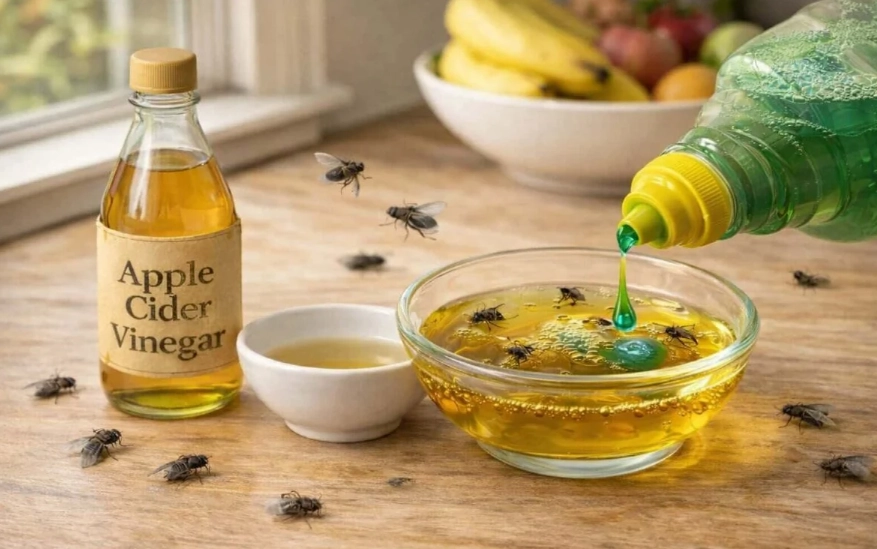
How to Get Rid of Fruit Flies Fast: A Proven 3-Step Plan
Wondering why fruit flies keep coming back even after you clean? Learn how to get rid of fruit flies at the source, build a better DIY trap, and stop reinfestation for good.
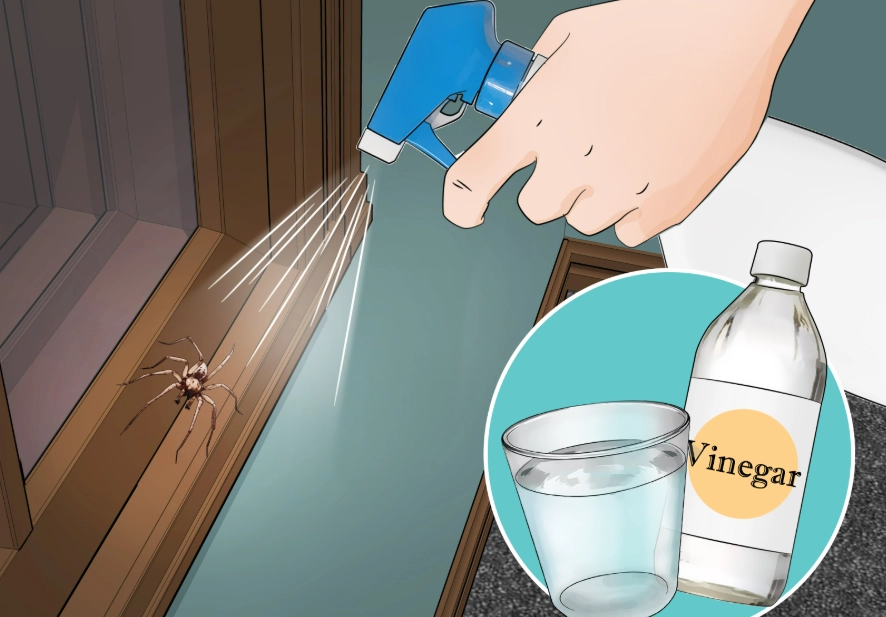
How to Get Rid of Spiders Fast: 7 Proven Steps That Work
Wondering how to get rid of spiders without turning your home into a chemical zone? Here's a practical, field-tested plan covering entry points, natural repellents, traps, and when to call a pro.
Pest Prevention Tips: Stop Mice & Roaches Before They Move In
Wondering why pests keep coming back even after you spray? These pest prevention tips show you the exact entry points, moisture traps, and sealing moves I use after a decade of home inspections—plus the mistakes that invite mice and roaches in.
Comments