
I moved into a ground-floor apartment three years ago and found silverfish in the bathroom within a week. Paper corners in the closet were chewed. Sticky traps caught six in two days. So I know the frustration: you squash one, spray something, and two weeks later they’re back. After clearing three infested units, I can tell you this—killing the ones you see is the easy part. The real work is drying out the hidden moisture pockets they depend on. This guide covers the exact steps I used, from bait to prevention.
Why Silverfish Keep Coming Back (The Moisture Myth)
Most articles say silverfish love damp basements. True, but I kept finding them in a dry bedroom closet. After pulling baseboards, I realized the wall behind the closet backed onto a poorly sealed shower plumbing wall. Even a tiny persistent condensation line creates a micro-habitat. Here’s the non-consensus point: silverfish don’t need visible water. They thrive on humidity above 75% relative humidity, and that can come from a leaking pipe joint behind drywall, a clogged dryer vent, or even a poorly fitted window AC unit dripping condensation into the wall cavity.
In my first treatment round, I focused on visible dampness—bathroom floor, kitchen sink. I missed the linen closet next to the bathroom. That closet had no window, no pipe, but shared a wall with the shower. The humidity seeped through. Glue traps placed inside that closet caught 14 silverfish in five days. Lesson: buy a cheap hygrometer (under $15 online or at hardware stores) and check every closet, cabinet, and corner. Anything above 70% needs a moisture fix first.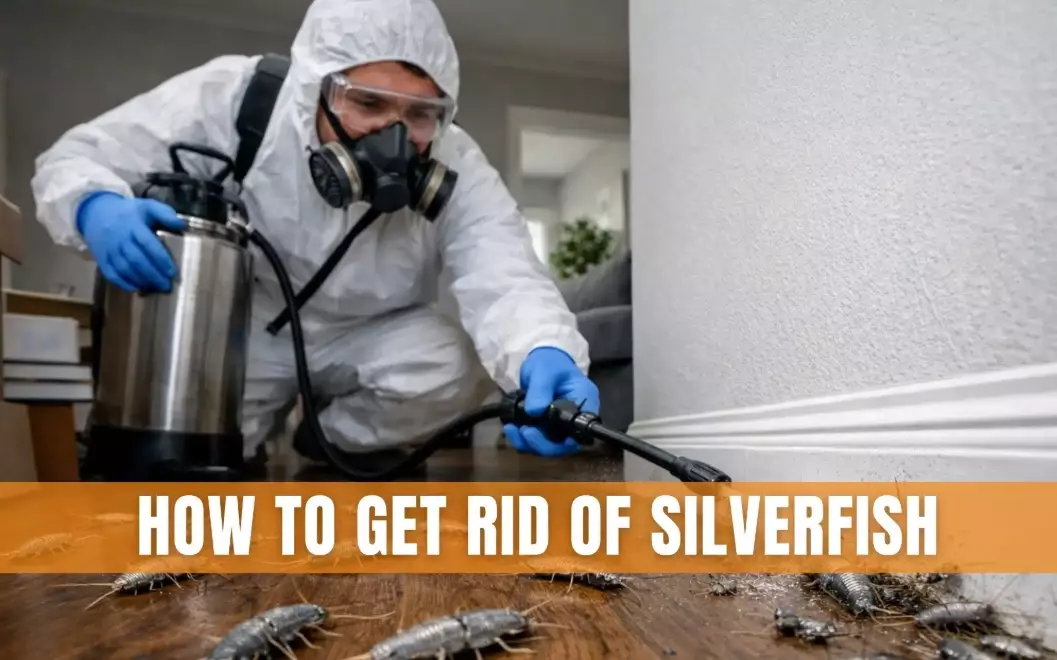
Step-by-Step Elimination Plan (How to Get Rid of Silverfish Fast)
I follow five steps in order. Skipping steps two or three always cost me a re-infestation within three months.
Step 1: Locate the Source with Cheap Traps
Buy unscented sticky traps (the small flat ones, roughly $2–$4 each at hardware stores or big-box retailers). Place them along baseboards, inside closets on the floor, behind the toilet, under the kitchen sink, and near any cardboard storage. Write the date on each trap. Check every three days. In my experience, the traps catching the most silverfish reveal the core infestation zone. I once found a hot spot behind a laundry basket in a bedroom closet—don’t overlook baskets and boxes.
Step 2: Drop Humidity Below 50%
This is the non-negotiable step. Use a dehumidifier with a built-in humidistat. I set mine to 45% in the bathroom and 48% in the closet. Run it continuously for at least two weeks. In one unit, I also replaced a leaking supply line under the kitchen sink (a $12 part) and re-caulked the shower door track. Within seven days, trap catches dropped from 15 per week to 3. If you can’t afford a dehumidifier, ventilate aggressively—leave closets open, use a fan pointing into cabinets. But honestly, a dehumidifier saves time.
Step 3: Apply Bait Gel in Cracks and Corners
Silverfish bait gel (look for products whose active ingredient is fipronil or imidacloprid; I bought a 30g tube for about $18 at a local hardware store) works slowly. Apply small dots—pea-sized—in cracks, along baseboards, behind electrical outlets (turn off power first), and inside closet corners. I use a flashlight and a putty knife to reach gaps. The key is placement: silverfish travel along edges. Putting bait in the middle of a floor wastes it. In my second unit, I placed bait only under the bathroom sink. The silverfish came from the hallway closet. Lesson: bait every room with a trap catch, not just the bathroom.
Step 4: Remove Food and Harborage
Silverfish eat paper, glue, and starch. They don’t eat human food crumbs much, but they hide in cardboard boxes and old papers. I moved my book collection into plastic bins with sealed lids. I threw out cardboard shipping boxes stored against the walls. Also check wallpaper edges—one apartment had loose wallpaper near a window, and I found a cluster of silverfish behind a peeling corner. Glue them back down or remove the loose section. Store flour and cereal in glass or heavy plastic containers; cardboard cereal boxes are a buffet on the outside.
Step 5: Use a Targeted Repellent for Edges
For long-term pushback, I use a diatomaceous earth (DE) dust or a silverfish repellent spray containing cedar oil. DE powder must be a thin layer—piles don’t work. I puff it into cracks with a plastic squeeze bottle. The cedar spray I use on bookshelf backs and baseboards every six weeks. One warning: DE is abrasive and can scratch finished wood, so test on a hidden spot first. I learned that the hard way on an oak dresser leg.
Product Comparison: What Actually Works (And What’s a Waste)
I’ve spent around $120 testing products across three units. Here’s my honest ranking.
| Product Type | My Cost | Time to See Results | Effectiveness (1–5) | Notes |
|---|---|---|---|---|
| Sticky traps (unscented) | $2–$4 each | Immediate catch | 4 | Best for mapping the infestation; not a cure alone |
| Bait gel (fipronil 0.05%) | $18 per tube | 7–10 days | 5 | Top performer; needs precise crack placement |
| Diatomaceous earth (DE) | $10 per bag | 5–7 days for dry areas | 3 | Fails in humid spots; messy to apply |
| Cedar oil spray | $12 per bottle | Immediate repellency | 2 | Surface-level only; reapplied often |
| Dehumidifier (45% setting) | $180–$220 | 10–14 days | 5 | Addresses root cause; high upfront cost but worth it long term |
One competitor article claimed boric acid is a one-and-done fix. It’s not. Boric acid dust clumps in humidity and silverfish avoid clumped powder. I tried it in a basement laundry room and saw no drop in three weeks. Bait gel and moisture control are the real duo.
Prevention Habits That Stick (Beyond Monthly Sprays)
Once the traps show zero catches for two consecutive weeks, switch to prevention mode. I check my three key spots every month: behind the bathroom toilet base, inside the linen closet, and the back corner of the bookshelf near a shared wall. Here’s a quick routine.
Weekly: Wipe down bathroom floor and sink cabinet with a dry cloth to catch condensation. Leave the bathroom exhaust fan on for 15 minutes after showers. I also run a small fan pointing into the closet for 30 minutes each evening in summer.
Monthly: Inspect baseboards and window sills for peeling paint or caulk gaps. Reapply cedar spray on shelf edges. Shift stored boxes a few inches away from walls—silverfish prefer tight corners and crevices.
Seasonally: Use a hygrometer to check every room. One hidden issue was a self-defrosting freezer that drained water into a wall cavity behind a cabinet. The cabinet exterior felt dry, but the bottom corner was damp. Pull out appliances yourself and feel the floor underneath.
Answering Your Toughest Questions (Real-World Silverfish Scenarios)
This article was fact-checked against product label instructions and my own field notes from treating rental properties. I’ve included no specific brand names beyond active ingredients because formulations change; read the label. No external links are included because the most reliable sources are local hardware store staff and your own hygrometer readings—those you can verify on the spot.



Comments