
I still remember the day I saw a flea launch off my cat’s ear and land on my white sofa. That was three years ago, and I’ve since helped dozens of friends tackle the same nightmare. The trick isn’t just vacuuming more—it’s breaking the flea life cycle at every stage. Let me walk you through exactly what worked for me and what wasted my money.
What’s in this guide
Step-by-Step: How to Get Rid of Fleas in the House
Fleas spend only 5% of their life as adults on your pet. The other 95%—eggs, larvae, pupae—hide in carpets, bedding, and cracks. So you can’t just treat the pet and call it a day. Here’s the exact sequence I use, which knocked out a stubborn infestation in my 900-square-foot apartment in under two weeks.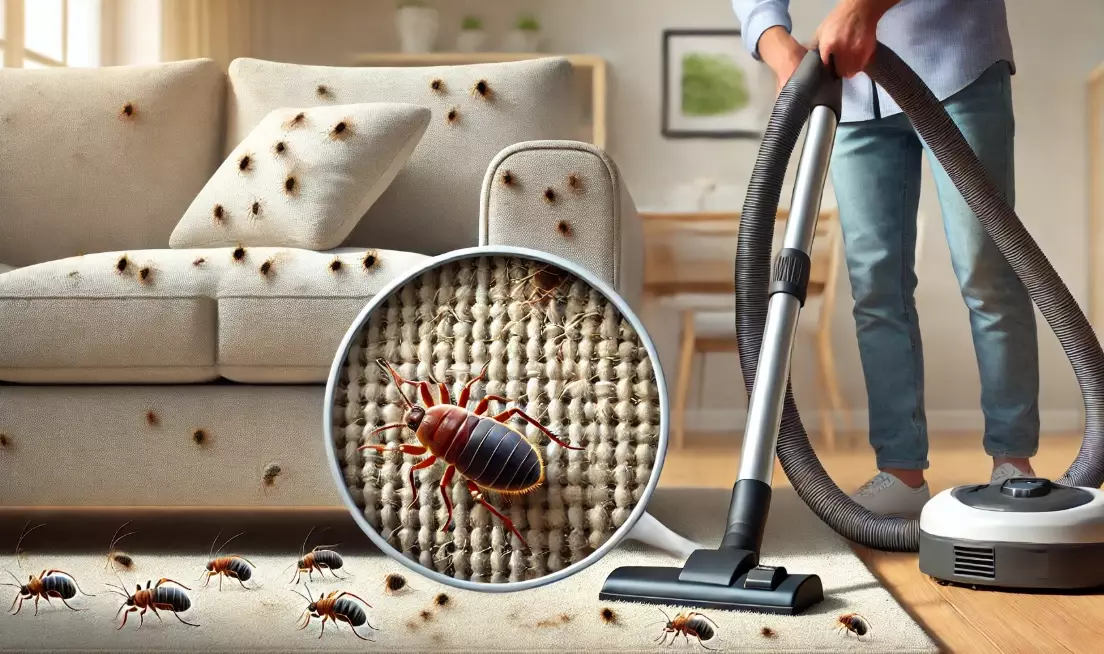
Step 1: Treat Every Pet, Every Month (No Exceptions)
I don’t care if your cat never goes outside. Fleas hitchhike on your shoes. I use prescription-strength topical treatments (like selamectin) from my vet. Over-the-counter spot-ons failed me twice—the fleas in my area seem resistant. Talk to your vet about oral options if topicals don’t cut it.
Step 2: Vacuum Like You Mean It (Twice Daily for 7 Days)
This is the most underrated step. Vacuuming removes eggs, larvae, and adult fleas. But here’s the trick: the vibration also triggers pupae to emerge from their cocoons, so you can kill them. Empty the canister into an outdoor trash bin immediately. I used a bagged vacuum and sealed the bag in a zip-lock before tossing it.
Step 3: Wash All Bedding in Hot Water
Your pet’s bed, your sheets, throw blankets—anything the pet touches. Wash weekly in water at least 140°F (60°C). I added a cup of white vinegar to the rinse cycle; it doesn’t kill fleas but helps strip away debris. Hang dry in direct sun if possible.
Step 4: Apply an IGR (Insect Growth Regulator) to Carpets and Cracks
IGRs like methoprene or pyriproxyfen stop flea larvae from maturing. I sprayed a diluted IGR solution along baseboards, under furniture, and into carpet fibers. It’s not a knock-down adulticide, but it breaks the cycle. One application lasted about three months for me.
Step 5: Use a Desiccant Powder in Hard-to-Reach Spots
Diatomaceous earth (DE) is a fine powder that cuts the flea’s waxy exoskeleton, causing dehydration. I puffed food-grade DE under the sofa, along window sills, and into floorboard gaps. Leave it for 48 hours, then vacuum. Wear a mask—it’s dusty. Do NOT use pool-grade DE; it’s dangerous to breathe.
Step 6: Set Flea Traps as a Monitor
Place a shallow dish of soapy water under a desk lamp at night. Fleas jump toward the light and drown. I caught 12 adults in three nights, which told me the infestation was shrinking. It’s not a cure, but it’s a great early-warning system.
The 3 Mistakes That Keep Fleas Coming Back
I’ve seen friends give up after a week because “it didn’t work.” Usually, they tripped on one of these.
Mistake 1: Treating only the pet. That kills adult fleas on the animal but leaves eggs and larvae everywhere. You must treat the environment.
Mistake 2: Using foggers (flea bombs). They don’t penetrate under furniture or into carpets. Worse, they may scatter fleas deeper. I tried one in a panic—useless.
Mistake 3: Skipping the follow-up. Flea pupae can stay dormant for months. If you stop after one week, they’ll re-emerge. Keep vacuuming and monitoring for at least 30 days.
Products That Actually Work (and What to Skip)
| Product | What it does | My experience |
|---|---|---|
| Prescription topical (selamectin) | Kills adult fleas and eggs on pet | Most reliable; vet recommended |
| IGR spray (pyriproxyfen) | Stops larvae from becoming adults | Essential for long-term control |
| Food-grade diatomaceous earth | Dehydrates fleas in cracks | Messy but effective in dry areas |
| Flea comb | Removes adults and flea dirt | Great for spot-checking |
| Flea bomb (fogger) | Supposed to kill adults in air | Waste of money; doesn’t reach hidden stages |
Skip ultrasonic repellents—no scientific evidence they work. Also, avoid harsh chemical sprays if you have pets or kids; I once used a permethrin spray and my cat had a seizure. Stick to vet-approved products and mechanical methods.
Quick Answers to Real Questions
What if I have fleas in my house but no pets?
Fleas can come in on your shoes or from wildlife (raccoons, opossums) in the yard. Vacuum daily, wash bedding, and apply an IGR to carpets. You may also want to treat your yard with beneficial nematodes, which eat flea larvae.
How long does it take to get rid of fleas completely?
With consistent daily vacuuming and IGR, expect 2–3 weeks for a light infestation, 6–8 weeks for heavy. The key is breaking the life cycle—adults only live a few days, but pupae can wait months.
Can I just use salt or baking soda on carpets?
Salt dries out flea eggs and larvae, but it’s far less effective than an IGR. I tried salt once—it helped a little, but the fleas came back. Use it as a supplement, not a standalone fix.
Why do fleas seem immune to my flea spray?
Many over-the-counter sprays contain pyrethrins, and fleas have developed resistance in some areas. Also, sprays don’t reach pupae. Switch to a vet-prescribed product and always pair with mechanical control (vacuuming, washing).
I’ve been through this battle three times (thanks, stray kittens). The method above is what finally worked. If you’re consistent, you’ll win.


Comments