
In this guide, I’ll walk you through:
Last summer, I opened a box of pancake mix and a dozen tiny moths fluttered out. My first thought? Great, now I have to toss half my pantry. But after dealing with this three times (yes, three — I’m a slow learner), I’ve got a system that actually works. This isn’t about spraying chemicals everywhere. It’s about breaking their life cycle. Here’s exactly how to get rid of pantry moths without losing your mind.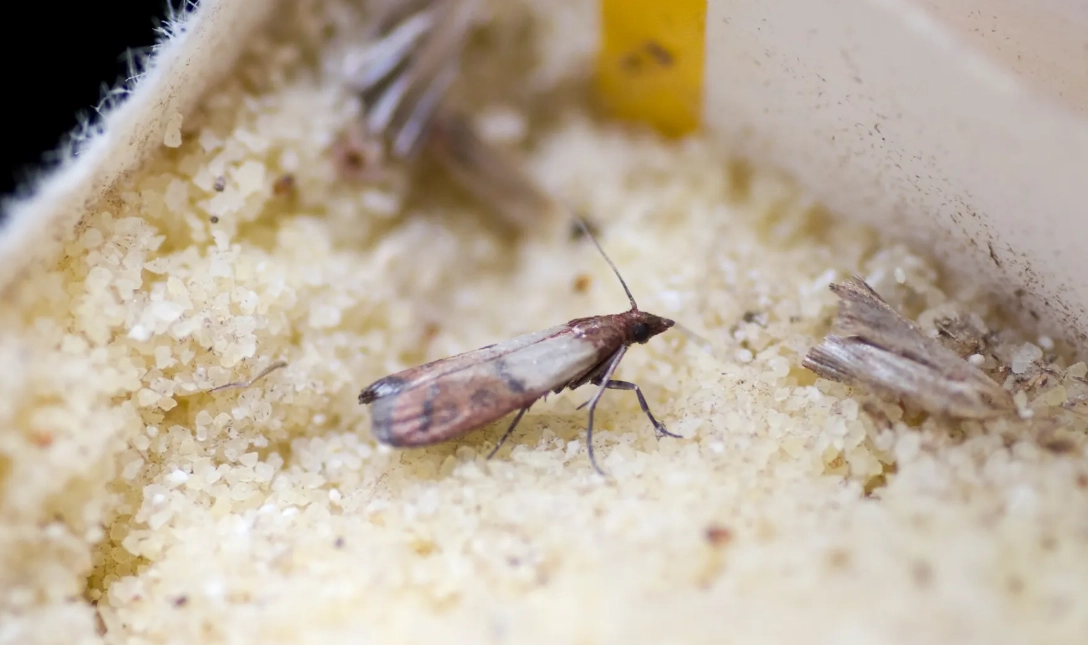
1. Confirm It’s Pantry Moths (Not Something Else)
Those little fluttery things near your cereal could be fruit flies or grain moths. Pantry moths (Indian meal moths) have a distinct look: the wings are bronze on the front half and pale gray on the back. You’ll often see them flying in a zigzag pattern. The real giveaway? Webbing in your flour or little worm-like larvae crawling up the walls.
I once mistook them for clothes moths — big mistake. Clothes moths hang out in dark closets, not kitchens. Check your dry goods first.
2. Find the Hidden Source Fast
This is the step most people mess up. You can’t just kill the flying ones. The larvae are the problem. They hide in unsealed packages — especially bulk bins, nuts, dried fruit, and even pet food. I’ve found them inside a sealed bag of almond flour (they chewed right through the plastic).
Here’s my go-to search method: pull everything out of the pantry. Inspect each package for silk webbing, clumps, or tiny holes. Don’t trust the outside — open the bag and smell it. A musty, off odor is a red flag. Toss anything suspicious into a sealed trash bag outside immediately. When in doubt, throw it out.
3. Clean Like You Mean It
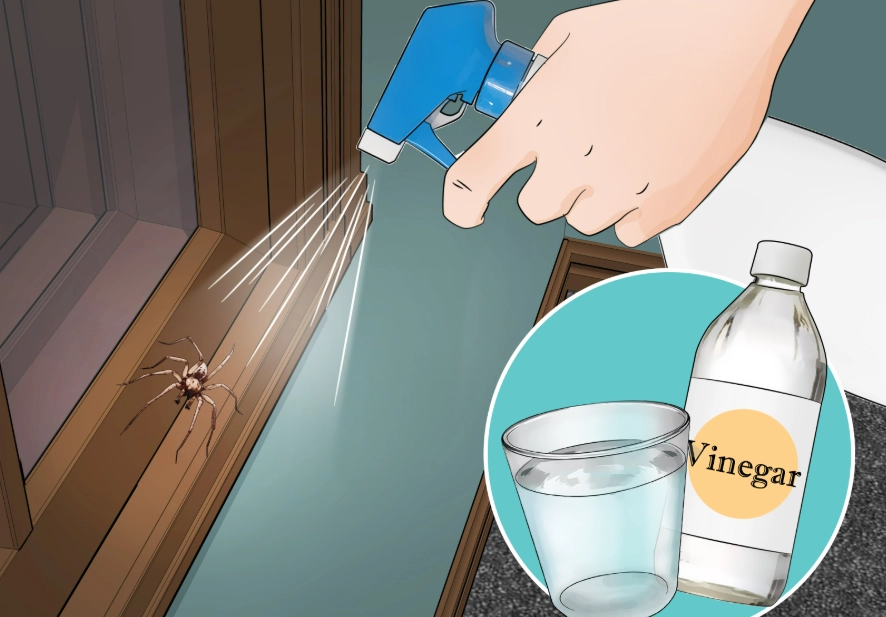
Vacuum every crack and crevice — shelves, corners, the little track where the door slides. Then wipe down with white vinegar (it kills larvae and eggs). I use a 50/50 mix of vinegar and water. Don’t forget the ceiling of the pantry; larvae crawl up there to pupate.
After cleaning, let everything dry completely. Moisture attracts moths. I also toss a few bay leaves on shelves — old wives’ tale? Maybe, but it’s cheap and doesn’t hurt.
4. Use Traps Smartly (Not Just Anywhere)
Pantry moth traps use pheromones to lure males. They won’t wipe out an infestation alone, but they help break the breeding cycle. Place them near the source, not in the middle of the kitchen. I learned that the hard way — putting a trap on the counter just attracted moths to my fruit bowl.
Replace traps every 6–8 weeks. And don’t rely on them as a first step. Clean first, then trap.
5. Prevent Round Two
Store dry goods in glass jars or heavy-duty plastic containers with airtight seals. I switched to Mason jars for flour, rice, and cereal. It looks nice and keeps moths out. Also, freeze new grains for 48 hours before storing — that kills any hidden eggs. I keep a small chest freezer just for this.
Check bulk bins at the store. If you see moths flying around the bulk section, walk away. Not worth the risk.
Quick Comparison: Storage Options
| Container Type | Moth-Proof? | My Experience |
|---|---|---|
| Glass jars with rubber seal | Yes | Best investment, easy to see contents |
| Thick plastic (Tupperware-style) | Yes, if seal is tight | Works but lids can warp over time |
| Original cardboard box | No | Larvae chew right through |
| Ziplock bags | No | They chew through thin plastic |
Questions I Get Asked Most
This guide reflects my personal experience and tips from a licensed pest control technician. Always check product labels and follow local regulations.

Comments